
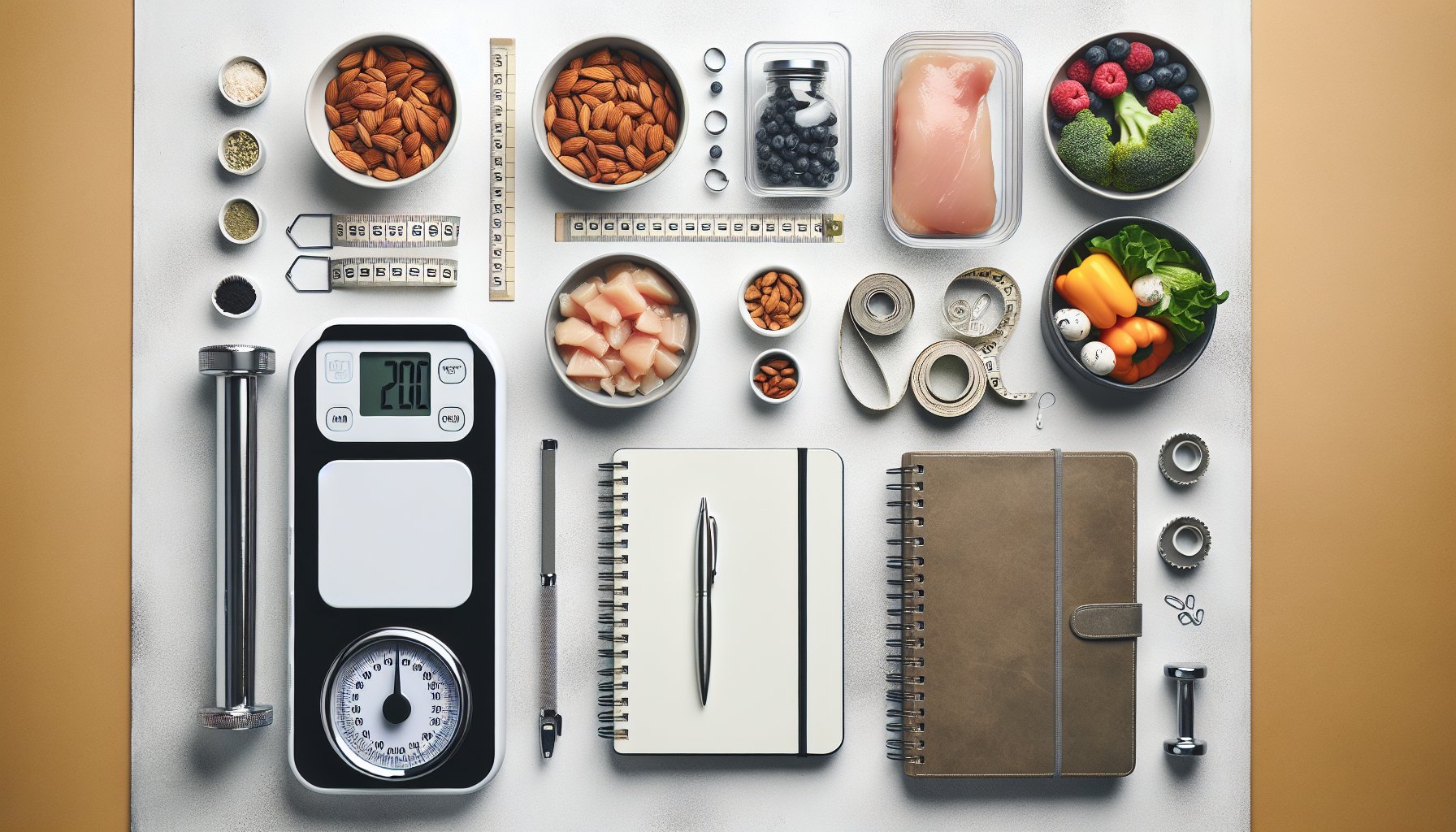
A 2020 study in Obesity found that people who track their food intake lose twice as much weight as those who don't, with the most successful participants logging meals consistently for at least 6 months. Calorie counting remains the most reliable method for controlling body composition, whether you're trying to lose fat, build muscle, or maintain your current weight.
Quick Summary:
- Calculate your TDEE using BMR formulas and activity multipliers to establish baseline calorie needs
- Use a digital food scale and nutrition labels to track calories with 90-95% accuracy
- Apps like MyFitnessPal and Cronometer simplify daily tracking and provide macro breakdowns
- Create a 300-500 calorie deficit for fat loss or 200-300 surplus for muscle gain
- Stop counting when you've developed intuitive eating skills or when tracking becomes obsessive
Understanding TDEE and BMR
Your Total Daily Energy Expenditure (TDEE) represents the total number of calories you burn each day through all activities. This number includes your Basal Metabolic Rate (BMR), which is the energy your body uses at complete rest for basic functions like breathing, circulation, and cell production. BMR typically accounts for 60-75% of your total daily calorie burn.
The Mifflin-St Jeor equation, validated in multiple studies and endorsed by the Academy of Nutrition and Dietetics, is the most accurate BMR formula for most people. For men: BMR = (10 × weight in kg) + (6.25 × height in cm) - (5 × age) + 5. For women: BMR = (10 × weight in kg) + (6.25 × height in cm) - (5 × age) - 161.
Once you calculate BMR, multiply by an activity factor to get TDEE. Sedentary (little to no exercise) = BMR × 1.2, lightly active (exercise 1-3 days per week) = BMR × 1.375, moderately active (exercise 3-5 days per week) = BMR × 1.55, very active (exercise 6-7 days per week) = BMR × 1.725, and extremely active (physical job plus daily training) = BMR × 1.9.
How to Count Calories Accurately
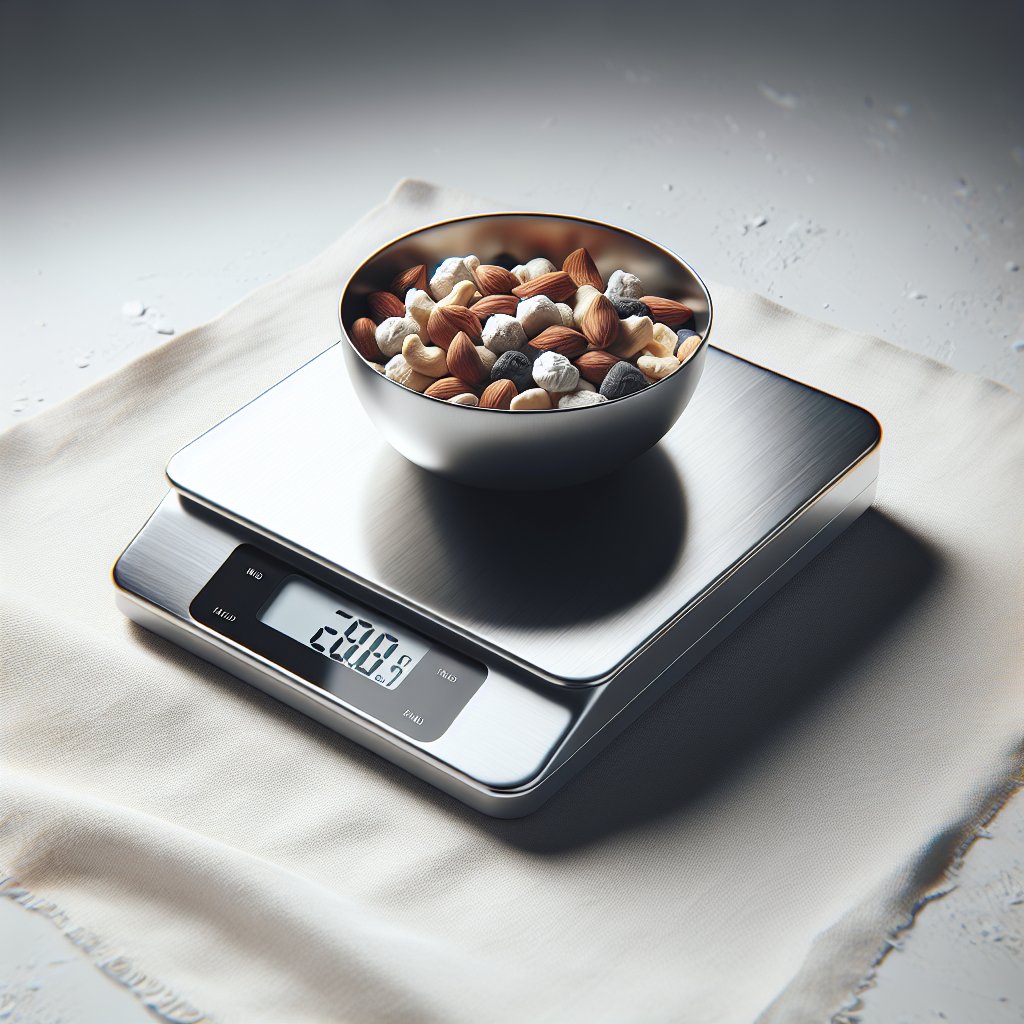
Accuracy starts with a digital food scale. Research from the Journal of the Academy of Nutrition and Dietetics shows that people who estimate portion sizes without scales underestimate calorie intake by an average of 200-400 calories per day. A basic Ozeri Pronto Digital Kitchen Scale (around $15) provides measurements in grams, which is the most precise unit for calorie tracking.
Weigh foods raw and uncooked whenever possible. Chicken breast loses roughly 25% of its weight during cooking due to water loss, but the calorie content remains the same. A 150-gram raw chicken breast contains the same calories as a 112-gram cooked portion, so weighing raw eliminates confusion about which database entry to use.
Read nutrition labels carefully, paying attention to serving sizes listed in grams rather than ambiguous measures like "1 cup" or "2 tablespoons." The serving size on the label is often not the amount you actually eat. A bag of chips might list 150 calories per serving, but the bag contains 2.5 servings, making the total 375 calories if you eat the whole bag.
Track everything, including cooking oils, condiments, and beverages. A tablespoon of olive oil adds 120 calories, a tablespoon of mayonnaise adds 94 calories, and a can of soda adds 140 calories. These "forgotten" items add up to 300-600 calories per day for most people who claim they're eating less than they actually are.
Best Calorie Tracking Apps
MyFitnessPal (free with premium option at approximately $10 per month) has the largest food database with over 14 million items, making it easy to find nearly any food or restaurant meal. The barcode scanner allows you to log packaged foods in seconds, and the recipe builder calculates calories for homemade meals.
Cronometer provides more detailed micronutrient tracking and tends to have more accurate database entries since it prioritizes verified sources like USDA and NCCDB. The free version offers comprehensive tracking, while the Gold subscription (around $50 per year) adds features like fasting timers and detailed biometric tracking.
MacroFactor uses an adaptive algorithm that adjusts your calorie targets based on your actual weight trend data, eliminating the guesswork from activity multipliers. It costs approximately $12 per month but provides the most personalized recommendations of any tracking app. The app calculates your true TDEE from your logged intake and weight changes, adjusting recommendations weekly.
For macro-friendly snacks that are easy to track, consider options like RXBar Protein Bars (around $25 for a 12-pack) which list simple ingredients and accurate macros, or KIND Protein Bars (approximately $15 for 12 bars) for a lower-calorie option with clear nutritional information.
Verdict: Use a digital food scale to weigh raw foods in grams, track every calorie including oils and condiments, and choose a tracking app with a reliable database. Consistency matters more than perfect accuracy.
Calorie Targets for Fat Loss
Fat loss requires a calorie deficit, meaning you consume fewer calories than your TDEE. A deficit of 300-500 calories per day produces a weight loss of 0.5-1 pound per week, which research shows is optimal for preserving muscle mass while losing fat. Larger deficits cause faster weight loss but increase muscle loss and metabolic adaptation.
The International Society of Sports Nutrition recommends that athletes and active individuals maintain a deficit no larger than 500 calories to preserve performance and recovery. A 2014 study in the International Journal of Sport Nutrition and Exercise Metabolism found that bodybuilders who used moderate deficits (around 20% below TDEE) lost significantly more fat and less muscle than those using aggressive deficits (40% below TDEE).
Don't drop calories too low too fast. Women should not eat below 1,200 calories per day and men should not go below 1,500 calories per day except under medical supervision. These minimums ensure adequate protein, essential fats, and micronutrients for basic health. Learn more in our cutting guide.
Calorie Targets for Muscle Gain
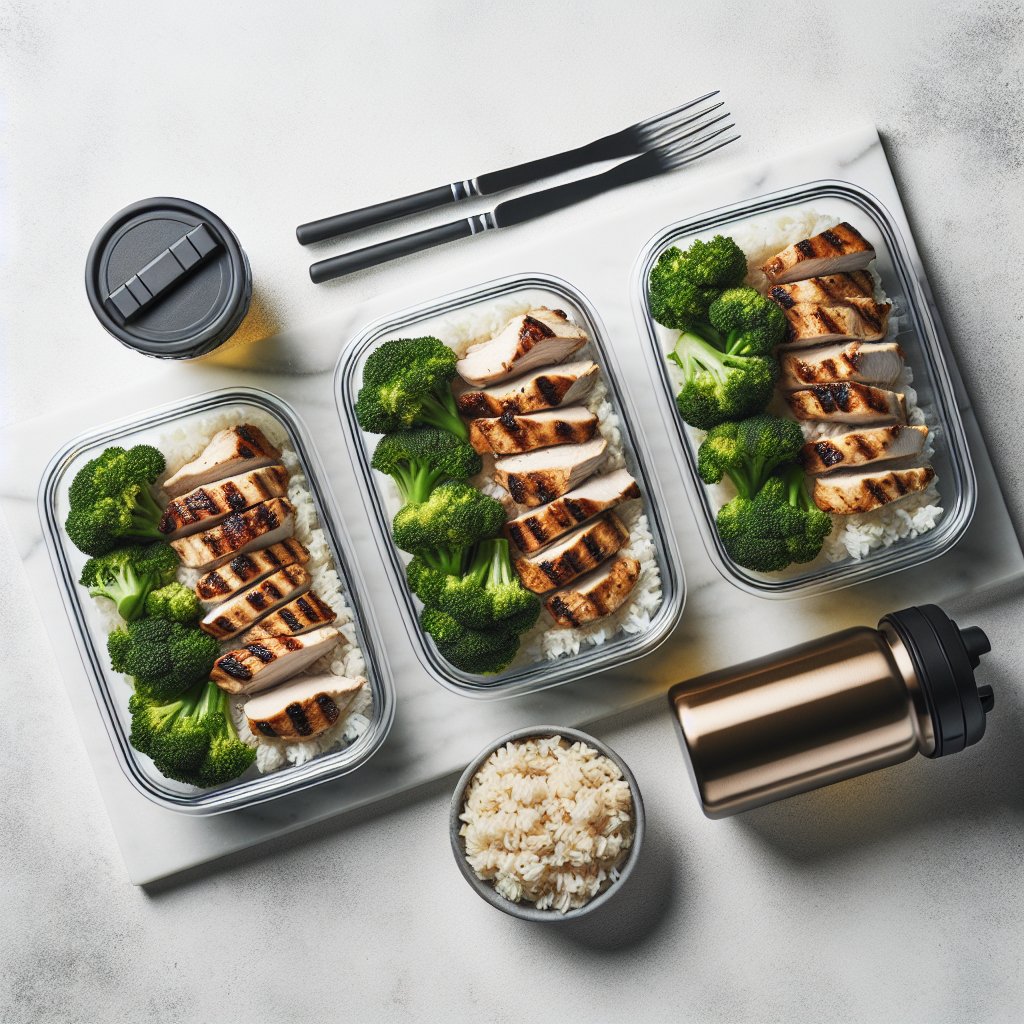
Building muscle requires a calorie surplus combined with resistance training. A surplus of 200-300 calories per day above your TDEE provides enough energy for muscle protein synthesis without excessive fat gain. Research published in the Journal of the International Society of Sports Nutrition shows that trained individuals can build muscle at a rate of 0.5-1 pound per month, which requires only a small calorie surplus.
Higher surpluses do not accelerate muscle growth proportionally. A 2021 study found that doubling calorie surplus from 250 to 500 calories per day increased fat gain by 3-fold but only increased muscle gain by 10-15%. The body has a finite rate of muscle protein synthesis, and excess calories beyond this limit are stored as fat.
Track your weight weekly and adjust calories based on the trend. If you're gaining more than 0.5-1 pound per week, reduce your surplus by 100-150 calories. If you're not gaining weight after 2-3 weeks, add 100-150 calories. See our bulking guide for detailed programming.
Common Calorie Counting Mistakes
Forgetting to account for calorie-containing beverages is one of the most common tracking errors. A medium latte contains 190 calories, a 16-ounce orange juice has 220 calories, and a beer contains 150-200 calories. These liquid calories don't register the same satiety signals as solid food, making them easy to overlook.
Using inaccurate database entries leads to systematic underestimation. User-generated entries in apps like MyFitnessPal often contain errors, sometimes listing calorie counts 20-50% lower than reality. Always verify entries against USDA data or nutrition labels, and choose entries marked as "verified" when available.
Not tracking on weekends creates a false sense of accuracy. A study in Obesity found that people consume an average of 236 more calories on weekends compared to weekdays, which can completely negate a weekly deficit if you're only careful Monday through Friday. Track every day or don't track at all.
Estimating restaurant portions consistently underestimates actual intake. Research shows that restaurant meals contain 20-50% more calories than published estimates due to added butter, oil, and larger portion sizes. When eating out, add 20% to listed calorie counts or log the meal as 1.2 servings.
Reading Nutrition Labels Correctly
The serving size listed at the top of the nutrition label determines all the numbers below it. If a protein bar label lists 200 calories but the package contains 2 servings, eating the whole bar means consuming 400 calories. Always check "servings per container" before logging anything.
Nutrition labels round values based on FDA rules, which can hide calories in low-calorie products. Products with fewer than 5 calories per serving can be labeled as 0 calories, and products with less than 0.5 grams of trans fat can claim 0 grams. Cooking spray is a perfect example: the 1-second spray serving size lists 0 calories and 0 fat, but a realistic 2-second spray contains about 16 calories and 2 grams of fat.
Watch for hidden sugars listed under various names. Ingredients like corn syrup, cane juice, maltodextrin, dextrose, and rice syrup all contribute calories as carbohydrates. The ingredient list shows items in descending order by weight, so if a sugar appears in the first three ingredients, that product is primarily sugar-based.
Compare the label serving size to your actual portion using a food scale. A serving of cereal might be listed as "3/4 cup (30g)" with 110 calories, but pouring cereal into a measuring cup typically yields 40-50 grams, making the actual calorie count 145-185 calories.
If you're tracking on the go, meal prep containers with built-in portion markers like Prep Naturals Glass Meal Prep Containers (around $30 for a 5-pack set) help maintain consistent portion sizes throughout the week, making calorie tracking more accurate and sustainable.
Protein Tracking and Calorie Balance
Hitting your protein target should be your first priority when tracking macros. Research shows that consuming 0.7-1 gram of protein per pound of body weight supports muscle maintenance during fat loss and muscle growth during bulking. Protein has the highest thermic effect of any macronutrient, meaning your body burns 20-30% of protein calories during digestion.
Track protein separately from total calories to ensure adequate intake. A high-quality whey protein powder like Optimum Nutrition Gold Standard (approximately $60 per 5-pound container) provides 24 grams of protein per 120-calorie serving, making it easier to hit protein targets without excessive calories. Read our protein guide for detailed recommendations.
Don't sacrifice protein to create a larger calorie deficit. A 2016 study in The American Journal of Clinical Nutrition found that dieters who consumed high protein (1.2 grams per pound) while in a deficit lost 4 pounds more fat and preserved 3 pounds more muscle compared to those eating moderate protein (0.6 grams per pound), even though both groups ate the same total calories.
When to Stop Counting Calories
Stop counting when tracking becomes obsessive or interferes with social activities and mental health. If you find yourself anxious about meals you didn't prepare, avoiding social situations because you can't track accurately, or thinking about calories constantly throughout the day, you've crossed from helpful tool to unhealthy obsession.
Most people develop accurate portion awareness after 6-12 months of consistent tracking. Once you can estimate portions within 15-20% accuracy and have established healthy eating patterns, you can transition to intuitive eating while monitoring your weight weekly. If your weight remains stable or progresses toward your goal, you don't need to track.
Athletes and physique competitors may need to track long-term to maintain specific body composition standards, but recreational exercisers can usually maintain results without permanent tracking. Research shows that people who develop strong eating habits during their tracking phase maintain better long-term results than those who never stop counting.
Consider taking breaks from tracking every few months to assess your intuitive eating skills. Track for 8-12 weeks, then take 2-4 weeks off while monitoring your weight. If your weight stays within 2-3 pounds of your target, you're ready to eat intuitively. If you gain or lose more than expected, return to tracking.
Frequently Asked Questions
Do I need to count calories on rest days?
Yes, count calories every day regardless of training schedule. Your body recovers and builds muscle on rest days, so your calorie and protein needs remain high. Some athletes reduce carbohydrates slightly on rest days while keeping protein and total calories constant, but drastic calorie cuts on non-training days disrupt recovery and can slow muscle growth.
How accurate does calorie counting need to be?
Aim for 90-95% accuracy by weighing primary foods and estimating vegetables and low-calorie items. Being off by 50-100 calories per day won't significantly impact results if you're consistent. Track your weight trend over 2-4 weeks and adjust calorie targets based on actual results rather than trying to achieve perfect accuracy.
Should I track macros or just total calories?
Track both. Total calories determine whether you gain, lose, or maintain weight, while macro ratios (protein, carbs, fat) influence body composition and performance. At minimum, track total calories and protein grams, then fill remaining calories with carbs and fats based on preference and activity level.
What if I don't know the exact calorie count of a meal?
Make your best estimate using similar foods in your tracking app, then add 20% to account for hidden oils and larger portions. Restaurant meals are notoriously underestimated, so overestimating is safer than underestimating. One inaccurate meal won't ruin your progress if you're accurate most of the time.
Can I take diet breaks while counting calories?
Yes, planned diet breaks improve long-term adherence and may help preserve metabolic rate. After 8-12 weeks of dieting, increase calories to maintenance (your TDEE) for 1-2 weeks before resuming your deficit. Research shows this approach can improve fat loss compared to continuous dieting without breaks.
Do calories from alcohol count?
Absolutely. Alcohol provides 7 calories per gram (compared to 4 for protein and carbs, 9 for fat) and those calories count toward your daily total. A standard drink contains 100-150 calories, and mixed drinks with juice or soda can contain 200-400 calories. Track all alcohol consumption if you want accurate calorie counts.
How long does it take to see results from calorie counting?
You'll see water weight changes within 3-7 days, but meaningful fat loss or muscle gain takes 3-4 weeks to become visible. Track your weight weekly and take progress photos monthly to assess changes. Body composition changes happen slowly, so commit to at least 6-8 weeks of consistent tracking before evaluating your approach.
Should I eat back exercise calories?
Don't eat back exercise calories if you calculated TDEE using an activity multiplier, as exercise is already accounted for. If you used sedentary TDEE and plan to add exercise, eat back 30-50% of estimated exercise calories since fitness trackers typically overestimate calorie burn by 20-30%. Base your adjustments on weight trends rather than individual workouts.
Is calorie counting necessary for beginners?
Beginners can often see results from basic portion control and food quality improvements without strict counting. However, tracking for 4-8 weeks teaches portion awareness and reveals hidden calories in your diet. Even if you don't track long-term, an initial tracking period provides valuable education about your eating patterns. Check our guide on setting fitness goals to determine if tracking aligns with your objectives.
What's the best way to track homemade meals?
Use the recipe builder feature in tracking apps to calculate calories for homemade meals. Weigh each ingredient as you cook, enter quantities into the app, specify the number of servings the recipe makes, and the app calculates per-serving calories. Save recipes you make frequently for quick logging in the future.
Can I count calories without a food scale?
You can estimate using measuring cups, hand portions, and visual comparisons, but accuracy drops to 70-80% at best. If budget allows, invest in a basic digital scale (around $15) for significantly better accuracy. If a scale isn't possible, be conservative with estimates and adjust based on actual weight changes over time.
The Bottom Line
Calorie counting provides an evidence-based method for controlling body composition when you calculate TDEE accurately, use a food scale for primary ingredients, and track consistently. Create a 300-500 calorie deficit for fat loss or a 200-300 calorie surplus for muscle gain, adjust based on weekly weight trends, and use tracking as a temporary educational tool rather than a permanent lifestyle requirement.
Sources:
- Adherence to self-monitoring of diet and physical activity and weight loss in adults. Obesity. https://pubmed.ncbi.nlm.nih.gov/32677297/
- Mifflin-St Jeor equation validation study. Journal of the American Dietetic Association. https://pubmed.ncbi.nlm.nih.gov/15883556/
- Portion size estimation accuracy in adults. Journal of the Academy of Nutrition and Dietetics. https://pubmed.ncbi.nlm.nih.gov/26194333/
- Energy deficit and muscle preservation during fat loss. International Journal of Sport Nutrition and Exercise Metabolism. https://pubmed.ncbi.nlm.nih.gov/24668675/
- Calorie surplus and body composition in trained individuals. Journal of the International Society of Sports Nutrition. https://pubmed.ncbi.nlm.nih.gov/28642676/
- Weekend vs. weekday energy intake patterns. Obesity. https://pubmed.ncbi.nlm.nih.gov/23839790/
- High protein diet effects during energy restriction. The American Journal of Clinical Nutrition. https://pubmed.ncbi.nlm.nih.gov/26817506/