
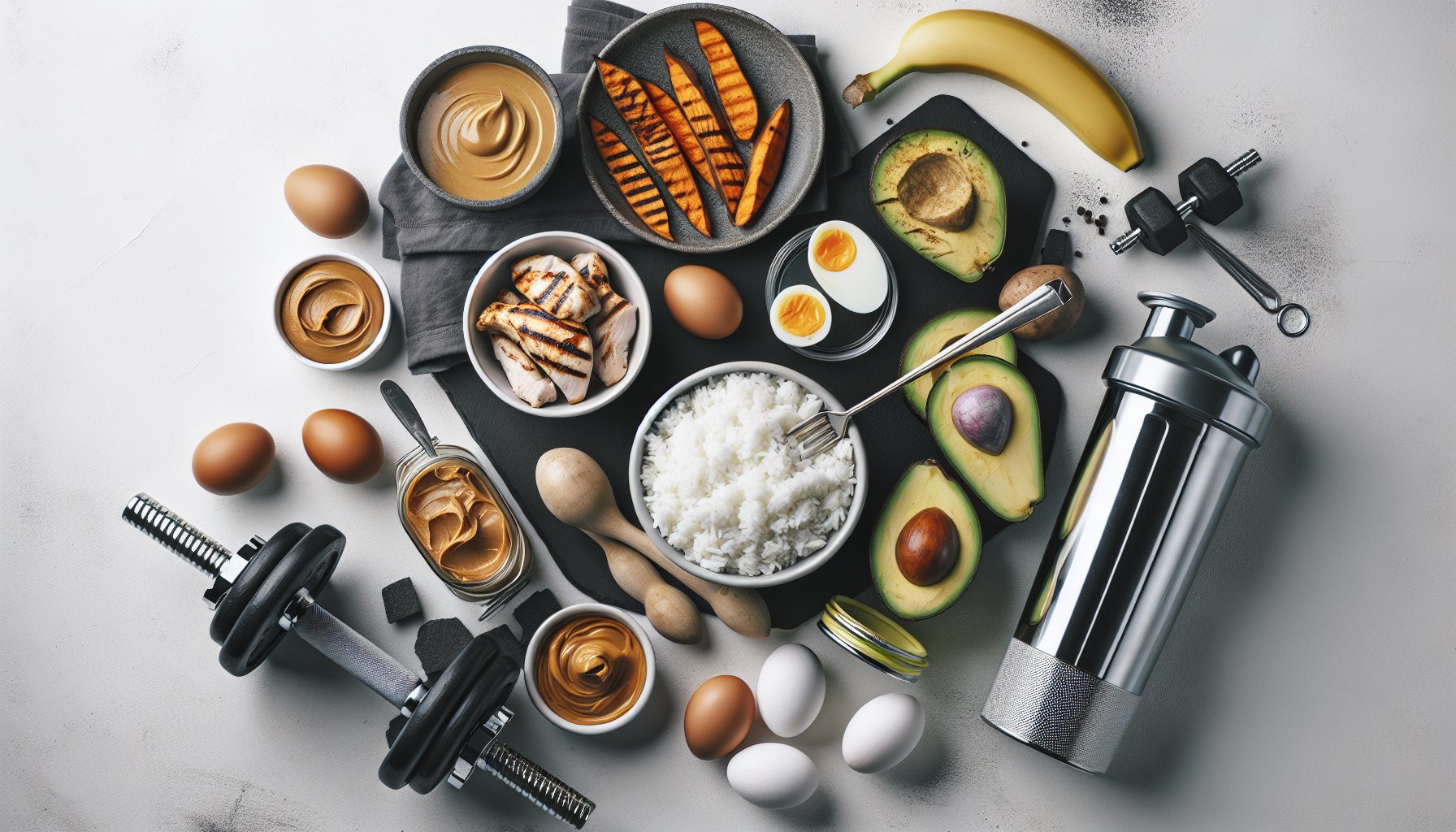
A 2016 study in the Journal of the International Society of Sports Nutrition found that muscle protein synthesis rates plateau at around 1.62 grams of protein per kilogram of body weight daily, but the real challenge during a bulk isn't protein intake—it's managing your caloric surplus to maximize muscle gain while minimizing fat accumulation. Most lifters gain 2-3 pounds of fat for every pound of muscle during traditional bulks, but research shows you can reverse this ratio with the right approach.
Quick Summary:
- Target a 200-500 calorie daily surplus for optimal muscle gain with minimal fat
- Aim to gain 0.5-1% of body weight per month (roughly 1-2 pounds for most people)
- Prioritize protein at 0.7-1 gram per pound of body weight, with carbs supporting training
- Lean bulking produces better long-term results than aggressive "dirty" bulking
- Stop bulking when you reach 15-17% body fat (men) or 25-27% (women) to maintain insulin sensitivity
What Is Bulking?
Bulking is a planned period of eating in a caloric surplus combined with resistance training to gain muscle mass. The concept is straightforward: your body needs extra energy and nutrients beyond maintenance levels to build new muscle tissue. A 2014 study in Sports Medicine confirmed that muscle growth requires both a positive energy balance and adequate protein intake alongside progressive resistance training.
The key difference between bulking and simply overeating lies in control and intention. During a proper bulk, you're eating slightly above your maintenance calories—enough to fuel muscle growth but not so much that you gain excessive body fat. This differs from off-season eating where athletes might gain 20-30 pounds in a few months without regard for body composition.
Lean Bulk vs Dirty Bulk
A lean bulk involves a modest caloric surplus of 200-500 calories above maintenance, prioritizing whole foods and consistent training. Research published in the American Journal of Clinical Nutrition in 2018 showed that subjects eating a 300-calorie surplus gained muscle at nearly the same rate as those eating a 600-calorie surplus, but with significantly less fat gain.
Dirty bulking, by contrast, involves eating whatever foods in whatever quantities to maximize weight gain, often with surpluses exceeding 1,000 calories daily. While this approach does lead to faster weight gain, studies show that muscle protein synthesis has a ceiling—your body can only build muscle so fast regardless of how much you eat. The extra calories simply get stored as fat.
The downsides of dirty bulking extend beyond aesthetics. A 2017 study in Obesity Reviews found that rapid fat gain reduces insulin sensitivity, which can actually impair muscle protein synthesis and make your bulk less effective over time. You'll also face a longer, more difficult cutting phase to reveal the muscle you built.
How Much of a Caloric Surplus?
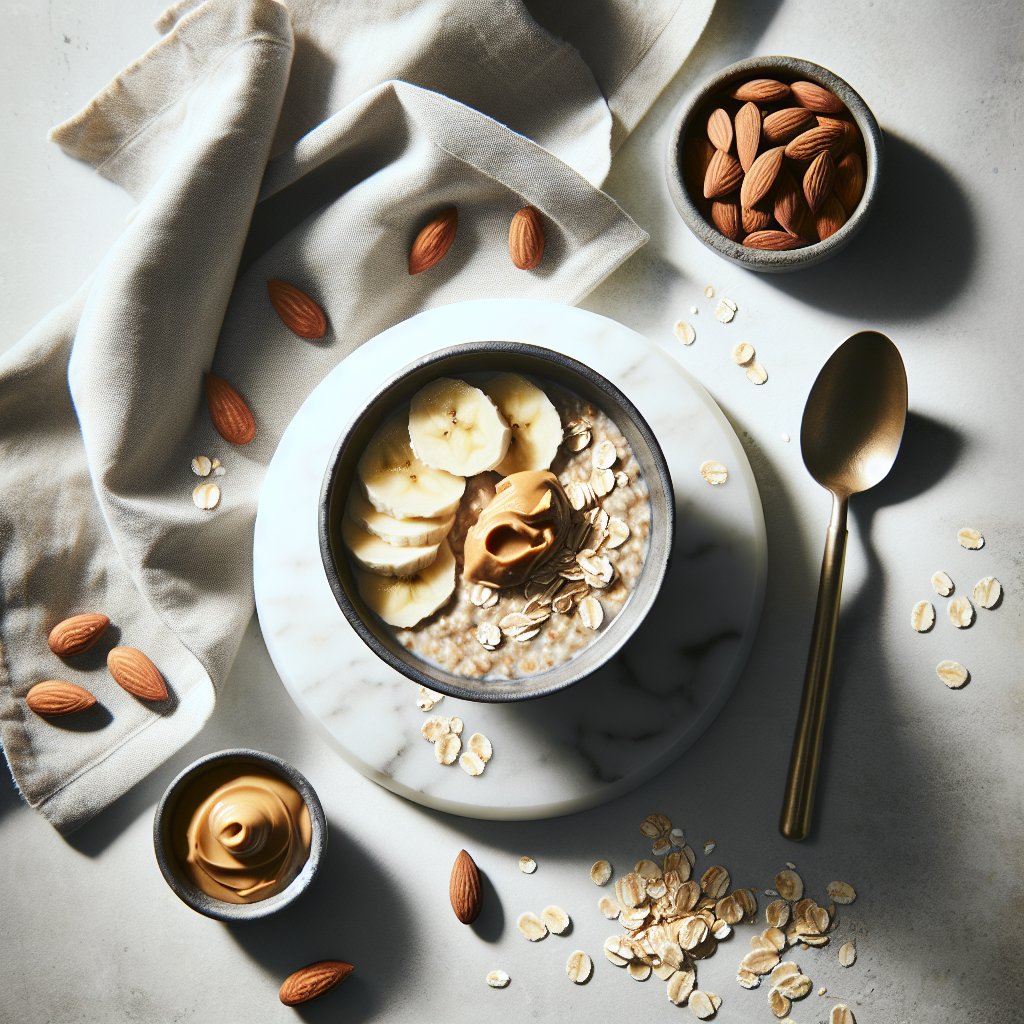
The optimal caloric surplus depends on your training experience. Beginners can support muscle growth with a smaller surplus (200-300 calories) because they respond more dramatically to training stimulus. Intermediate and advanced lifters may benefit from 300-500 calories above maintenance to continue making progress.
Start by calculating your maintenance calories using one of several methods: tracking your current intake and weight for 2 weeks, using a validated online calculator, or applying the formula of 14-16 calories per pound of body weight for moderately active individuals. A 180-pound lifter training 4 days per week would need approximately 2,700-2,880 calories for maintenance, putting their bulking target at 2,900-3,300 calories daily.
Monitor your weight weekly, taking the average of 3-4 weigh-ins under consistent conditions (same time of day, after using the bathroom, before eating). If you're gaining faster than 0.5-1% of your body weight per month, reduce calories by 100-200. If you're not gaining weight after 2-3 weeks, add 100-200 calories and reassess.
Verdict: A 200-500 calorie surplus combined with progressive resistance training produces the best muscle-to-fat gain ratio. Beginners should aim for the lower end, experienced lifters the higher end.
Bulking Macros: Protein, Carbs, and Fats
Protein remains the priority during a bulk. The International Society of Sports Nutrition recommends 0.7-1 gram per pound of body weight for individuals engaged in regular resistance training. A 2017 meta-analysis in the British Journal of Sports Medicine found no additional muscle-building benefit beyond 1.6 grams per kilogram (0.73 grams per pound), though eating slightly more provides a safety margin and increases satiety.
Carbohydrates should comprise 40-50% of your total calories during a bulk. Carbs replenish muscle glycogen stores, fuel high-intensity training, and create an anabolic hormonal environment by supporting insulin and testosterone production. Research in the Journal of Applied Physiology shows that low-carbohydrate diets impair strength training performance and reduce muscle protein synthesis rates compared to higher-carb approaches.
Fat intake should fall between 20-30% of total calories. Dietary fat supports hormone production (testosterone, growth hormone) and provides essential fatty acids for cellular function. Going too low on fat can suppress anabolic hormones; going too high leaves insufficient room for carbohydrates to fuel training.
For a 180-pound lifter eating 3,000 calories daily, an effective macro split would be: 160 grams protein (640 calories), 350 grams carbohydrates (1,400 calories), 105 grams fat (960 calories). Track your intake using apps like MyFitnessPal Premium (around $80 per year) or MacroFactor (approximately $72 annually) to ensure consistency.
Best Bulking Foods
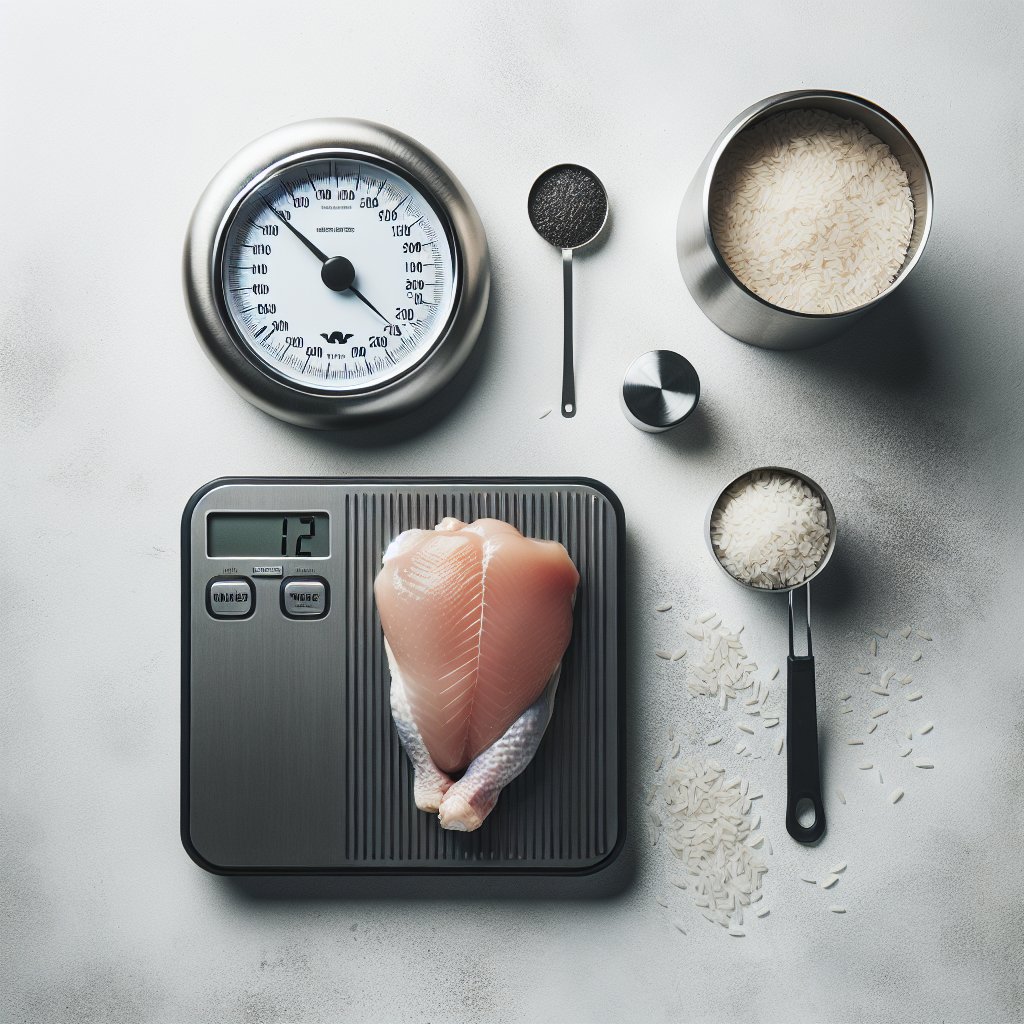
Prioritize nutrient-dense whole foods that provide ample calories without excessive volume. Lean proteins include chicken breast, lean ground beef, salmon, eggs, and Greek yogurt. Plant-based options like tempeh, tofu, and legumes work equally well. Studies show that as long as you meet total protein targets, the source matters less than consistency.
Carbohydrate sources should emphasize both quick-digesting and complex options. White rice, pasta, bread, and potatoes provide readily available energy for training. Oats, quinoa, and sweet potatoes offer sustained energy release. Fruits supply micronutrients alongside simple sugars that replenish liver glycogen.
Healthy fats come from nuts, nut butters, avocados, olive oil, and fatty fish. These foods are calorically dense, making it easier to reach your surplus without feeling uncomfortably full. Two tablespoons of Crazy Richard's Natural Peanut Butter (around $8) provides 190 calories and 16 grams of fat.
If appetite is a limiting factor, liquid calories can help. Whole milk, protein shakes with added oats and nut butter, and smoothies provide nutrition without the fullness of solid food. Optimum Nutrition Serious Mass (approximately $60 for 12 pounds) delivers 1,250 calories per serving for hard gainers who struggle to eat enough whole food.
Weight Gain Rate Targets
The ideal rate of weight gain during a bulk is 0.5-1% of body weight per month, which translates to 1-2 pounds monthly for most lifters. Research published in the Journal of Strength and Conditioning Research found that subjects gaining weight within this range maximized muscle gain while minimizing fat accumulation.
Beginners in their first year of training can sometimes sustain gains at the higher end of this range (1% monthly) because of enhanced sensitivity to training stimulus. Intermediate lifters with 2-3 years of consistent training should target 0.5-0.75% monthly. Advanced lifters may only be able to gain 0.25-0.5% per month while maintaining favorable body composition.
Track more than just scale weight. Take progress photos every 2 weeks under consistent lighting, measure waist circumference weekly, and monitor strength progression on key lifts. If your waist is increasing faster than your weight, you're likely gaining too much fat and should reduce your surplus. Check out our calorie counting guide for detailed tracking strategies.
Training During a Bulk
Your training approach should emphasize progressive overload—gradually increasing weight, reps, or volume over time. The surplus calories and nutrients you're consuming provide the raw materials for growth, but training provides the stimulus that directs those nutrients toward muscle tissue rather than fat storage.
Aim for 10-20 sets per muscle group per week, distributed across 2-3 sessions for optimal frequency. A 2017 meta-analysis in the Journal of Sports Sciences found that training each muscle group 2-3 times weekly produced superior hypertrophy compared to once-weekly training. Our guide to building muscle covers programming in detail.
Focus on compound movements—squats, deadlifts, bench press, rows, overhead press—that recruit multiple muscle groups and allow for heavy loading. Supplement these with isolation exercises targeting specific muscles. Keep cardio moderate (2-3 sessions of 20-30 minutes weekly) to maintain cardiovascular health without burning excessive calories.
Consider adding creatine monohydrate to your supplement stack during a bulk. Research consistently shows creatine increases strength, power output, and lean mass gains. Thorne Creatine (around $30) provides pharmaceutical-grade quality without unnecessary additives.
When to Stop Bulking
End your bulk when you reach 15-17% body fat for men or 25-27% for women. Beyond these thresholds, research shows that insulin sensitivity decreases, making your body more likely to partition nutrients toward fat storage rather than muscle growth. A 2015 study in Cell Metabolism found that insulin resistance increases proportionally with body fat percentage, impairing anabolic signaling.
Visual cues include losing ab definition, face appearing noticeably fuller, and difficulty fastening pants that previously fit comfortably. If you're unsure of your body fat percentage, DEXA scans (approximately $75-150) provide accurate measurements, though visual assessment and waist measurements work for most people.
Duration matters less than results. Some lifters can maintain an effective bulk for 6-8 months if they're lean at the start and gain slowly. Others may need to stop after 12-16 weeks if they're gaining too quickly or started at a higher body fat percentage.
Transitioning to Maintenance or Cutting
After completing a bulk, spend 2-4 weeks at maintenance calories before beginning a cut. This metabolic primer allows your body to adapt to your new weight and helps maintain muscle mass during the subsequent caloric deficit. Simply reduce calories to your new maintenance level (roughly 14-16 calories per pound of your current body weight).
When you're ready to cut, create a modest deficit of 300-500 calories below maintenance. Keep protein high (0.8-1 gram per pound), reduce fats slightly, and cut carbohydrates to create the deficit. Training should remain intense to signal your body to preserve muscle tissue. Our cutting guide provides comprehensive strategies for losing fat while maintaining strength.
If you want to maintain your new muscle mass without cutting, simply eat at maintenance calories indefinitely. This works well if you stayed lean during your bulk (under 15% body fat for men) and are satisfied with your current physique.
Common Bulking Mistakes
The biggest mistake is eating too much too fast. Gaining 10 pounds in a month might feel productive, but research shows that maximum muscle growth rates are much slower—roughly 2-4 pounds of muscle monthly for beginners, less for experienced lifters. The rest is fat and water weight that you'll need to diet off later.
Neglecting protein intake in favor of just "eating more" undermines muscle growth. A 2018 study in the American Journal of Clinical Nutrition found that subjects eating adequate protein gained significantly more lean mass than those eating the same calories but with lower protein, even during a surplus.
Skipping progressive overload in training is another common error. Simply eating more without challenging your muscles with increasingly difficult training stimuli wastes the surplus calories. Track your workouts using apps like Strong Workout Tracker (around $30 annually) to ensure you're adding weight or reps consistently.
Frequently Asked Questions
Can I bulk without gaining any fat?
No. Some fat gain is inevitable during a bulk because it's physiologically impossible to partition 100% of surplus calories toward muscle tissue. However, you can minimize fat gain to roughly 0.5 pounds of fat for every pound of muscle by using a modest surplus and training hard.
Should I bulk if I'm already overweight?
No. If you're above 15% body fat as a man or 25% as a woman, focus on losing fat first. Bulking from a higher body fat percentage leads to disproportionate fat gain and reduces insulin sensitivity, making the bulk less effective. Get lean first, then bulk.
How long should a bulk last?
Most effective bulks last 12-24 weeks, though this depends on starting leanness and rate of gain. Stop when you reach 15-17% body fat (men) or 25-27% (women), regardless of timeline. Some advanced lifters maintain very lean bulks for 6-8 months.
Do I need to eat at a surplus every single day?
No. What matters is your weekly average calorie intake. You can eat at a larger surplus on training days and closer to maintenance on rest days, as long as your weekly total creates the appropriate surplus. This approach, called calorie cycling, can improve adherence.
Will I lose muscle if I don't eat enough during a bulk?
If you're eating at maintenance or a slight deficit, you won't gain muscle optimally but you're unlikely to lose existing muscle if you're training hard and eating adequate protein. True muscle loss requires prolonged caloric deficits combined with inadequate protein and insufficient training stimulus.
Can I build muscle without bulking?
Yes, especially if you're a beginner or returning after time off. Body recomposition—gaining muscle while losing fat—is possible at maintenance calories or slight deficits for these populations. However, experienced lifters typically need a surplus to continue making meaningful muscle gains.
Should I take a diet break during a long bulk?
Not typically necessary during bulks, as you're already eating more food. Diet breaks are more relevant during cutting phases when hormonal adaptations and metabolic slowdown occur. Just maintain your surplus consistently throughout the bulk.
What's the best meal timing for bulking?
Meal timing matters less than total daily intake. Eating protein every 3-5 hours optimizes muscle protein synthesis, but the difference is small. Focus on hitting your daily calorie and macro targets first, then consider timing as a minor optimization.
How much protein do I need if I'm bulking on a plant-based diet?
Aim for the higher end of the range (0.9-1 gram per pound of body weight) because plant proteins have slightly lower digestibility and often incomplete amino acid profiles. Combining different plant protein sources throughout the day ensures adequate amino acid availability.
Should I bulk and cut, or just maintain?
If you want to maximize muscle growth, bulking and cutting cycles produce better results than staying at maintenance indefinitely. However, if you're satisfied with slow progress and want to avoid body fat fluctuations, maintaining while training hard can work for recreational lifters.
Can I bulk while doing a lot of cardio?
Yes, but you'll need to eat more to compensate for the calories burned during cardio. Each hour of moderate cardio burns 300-500 calories that must be added to your surplus. Excessive cardio (more than 4-5 hours weekly) can interfere with recovery and reduce muscle growth.
The Bottom Line
Effective bulking requires a modest caloric surplus of 200-500 calories, adequate protein intake, and progressive resistance training. Aim to gain 0.5-1% of body weight monthly, stop when you reach 15-17% body fat, and prioritize whole foods over processed options. Lean bulking produces better long-term results than aggressive eating, allowing you to spend more time building muscle and less time dieting off excess fat.
Sources:
- Morton RW, et al. A systematic review, meta-analysis and meta-regression of the effect of protein supplementation on resistance training-induced gains in muscle mass and strength in healthy adults. British Journal of Sports Medicine. 2018. https://bjsm.bmj.com/content/52/6/376
- Slater GJ, et al. Is an energy surplus required to maximize skeletal muscle hypertrophy associated with resistance training. Sports Medicine. 2019. https://link.springer.com/article/10.1007/s40279-018-0990-8
- Leaf A, Antonio J. The effects of overfeeding on body composition: the role of macronutrient composition. International Journal of Exercise Science. 2017. https://www.ncbi.nlm.nih.gov/pmc/articles/PMC5786199/
- Garthe I, et al. Effect of two different weight-loss rates on body composition and strength and power-related performance in elite athletes. International Journal of Sport Nutrition and Exercise Metabolism. 2011. https://pubmed.ncbi.nlm.nih.gov/21411836/
- Schoenfeld BJ, et al. Effects of resistance training frequency on measures of muscle hypertrophy: a systematic review and meta-analysis. Journal of Sports Sciences. 2016. https://pubmed.ncbi.nlm.nih.gov/27328852/