
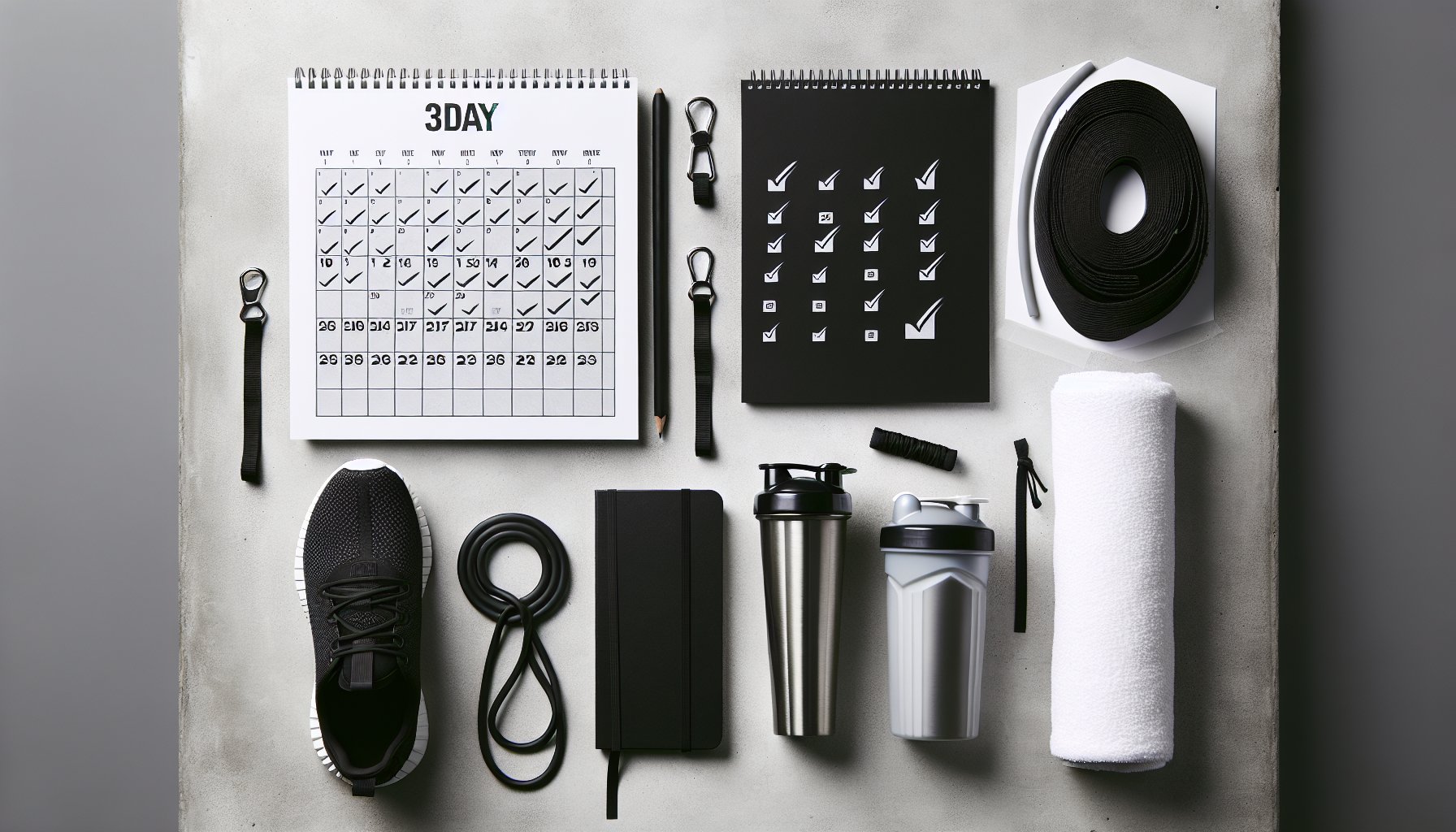
Research shows that 66 days is the average time to form a new habit, but the first 30 days are where you lay the foundation. Studies published in the Journal of Behavioral Medicine indicate that initial exercise adherence drops by 50% within the first six months, with most dropouts occurring in the first month. Understanding what your body and mind go through during these critical first weeks can significantly improve your chances of sticking with a workout routine.
Quick Summary:
- Week 1 brings delayed onset muscle soreness (DOMS) that peaks 24-48 hours after workouts and improves with continued training
- Your nervous system adapts first, creating strength gains before visible muscle growth appears
- Expect mental shifts including improved mood and energy by week 2-3 as exercise releases endorphins and regulates sleep
- Track simple metrics like completed workouts, energy levels, and sleep quality rather than fixating on weight or appearance
- Increase workout intensity by 5-10% every 1-2 weeks once you can complete sessions without excessive fatigue
Week 1: The Shock Phase
Your first week of working out introduces your body to unfamiliar stress. If you've been sedentary for months or years, even moderate exercise triggers significant physiological responses.
Delayed onset muscle soreness typically appears 12-24 hours after your first workout and peaks around 48 hours. This isn't injury—it's microscopic damage to muscle fibers that your body repairs and strengthens. Research in the Scandinavian Journal of Medicine & Science in Sports confirms that DOMS severity decreases dramatically after the first few exposures to new exercises, a phenomenon called the "repeated bout effect."
You'll likely feel tired, not energized. Your body is working hard to recover, which requires resources. Sleep may feel deeper and longer during this first week.
Mentally, expect a mix of excitement and doubt. The initial enthusiasm that got you started may clash with physical discomfort. This is normal. Focus on completing your planned workouts without worrying about performance.
Week 2: Early Adaptations Begin
By week two, DOMS lessens considerably if you maintain consistent training. Your muscles adapt to the stress, and you'll notice movements that felt awkward now feel more natural.
The first strength gains appear, but they're not from muscle growth—they're neurological. Your brain gets better at recruiting muscle fibers and coordinating movements. A study in the European Journal of Applied Physiology found that untrained individuals can increase strength by 20-30% in the first 2-4 weeks through neural adaptations alone.
Energy levels start stabilizing. Many people report sleeping better and waking up more refreshed. This happens as exercise helps regulate your circadian rhythm and reduces stress hormones like cortisol.
Mentally, week two often brings a small confidence boost. You've completed 4-6 workouts, proving to yourself that you can do this.
Verdict: The first two weeks are about surviving, not thriving. Focus on consistency over intensity. Your body is laying groundwork that will pay dividends in weeks 3 and 4.
Week 3: The Habit Formation Zone
Week three is where workout routines start feeling like habits rather than obligations. Research in Health Psychology Review suggests that behavioral automaticity—performing an action without conscious thought—begins developing around the 21-day mark for simple behaviors.
Physical changes become noticeable to you, even if others can't see them yet. Your endurance improves, you recover faster between sets, and exercises that felt impossible in week one now feel manageable. Cardiovascular adaptations include increased stroke volume (the amount of blood pumped per heartbeat) and improved oxygen delivery to working muscles.
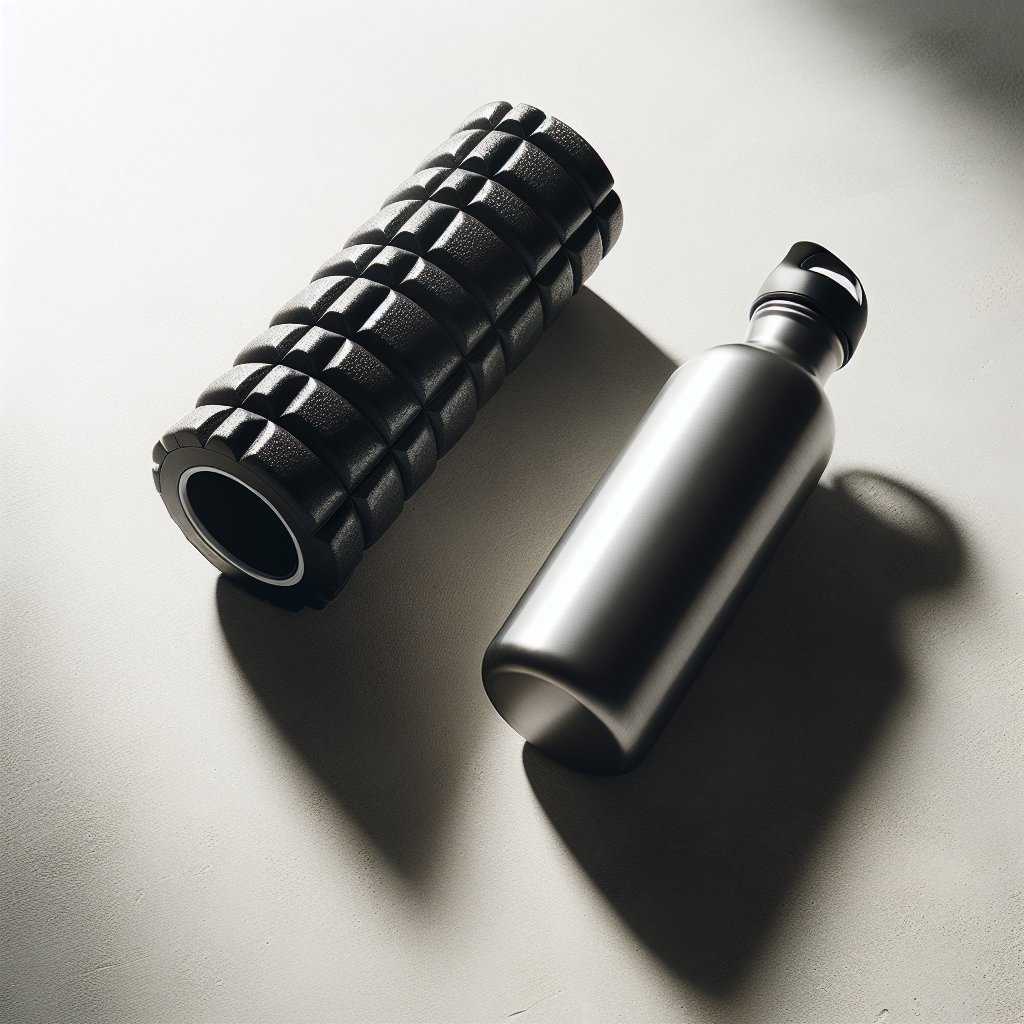
This is also when many beginners hit their first plateau or motivation dip. The novelty wears off, and workouts feel routine. Combat this by varying exercises slightly or trying a beginner-friendly recovery tool like a foam roller (around $30) to make post-workout recovery feel rewarding.
Mentally, you may start noticing improved mood throughout the day. A meta-analysis in JAMA Psychiatry found that exercise significantly reduces symptoms of depression and anxiety, with effects appearing within 2-4 weeks.
Week 4: Visible Progress Emerges
By the end of your first month, measurable progress appears. You can lift heavier weights, complete more reps, or sustain longer cardio sessions. These are the markers that matter early on—not scale weight or muscle definition.
Muscle protein synthesis rates have increased, meaning your body is now more efficient at building and repairing muscle tissue. While visible muscle growth takes 6-8 weeks, the cellular changes supporting it are well underway.
Your workout clothes might fit differently. Changes in posture from strengthening core muscles can make you appear leaner even without fat loss. Some people notice reduced bloating as inflammation from the initial training stress subsides.
Gym anxiety, if you experienced it, has likely diminished. Familiarity with equipment, routines, and the gym environment reduces the mental barrier to showing up. Studies show that environmental mastery—feeling competent in a space—is a key factor in exercise adherence.

What Actually Happens to Your Body in 30 Days
The first month creates foundational changes across multiple systems. Here's what science says happens internally:
Cardiovascular system adaptations include increased capillary density in working muscles, allowing better nutrient and oxygen delivery. Your resting heart rate may drop by 5-8 beats per minute as your heart becomes more efficient.
Metabolic changes include improved insulin sensitivity, meaning your cells respond better to insulin and regulate blood sugar more effectively. Research in Diabetes Care shows measurable improvements in glucose metabolism within 2-4 weeks of starting regular exercise.
Skeletal muscle changes begin at the cellular level. Mitochondria—the powerhouses of cells—increase in number and efficiency, boosting your capacity to produce energy. Muscle fiber recruitment patterns improve, allowing you to generate force more effectively.
Hormonal shifts occur, including reduced cortisol levels and increased production of brain-derived neurotrophic factor (BDNF), which supports cognitive function and mood regulation.
Managing Soreness and Recovery
Soreness management is critical for maintaining consistency during your first 30 days. Here's what actually works:
Active recovery on rest days—walking, light swimming, or stretching—increases blood flow to sore muscles without adding training stress. A study in the Journal of Strength and Conditioning Research found that active recovery reduced soreness more effectively than complete rest.
Protein intake matters more than you think. Consuming 1.6-2.2 grams of protein per kilogram of body weight daily supports muscle repair. A quality protein powder like Optimum Nutrition Gold Standard Whey (around $60 for 5 pounds) makes hitting this target easier. Learn more in our protein guide.
Sleep is non-negotiable. Your body repairs muscle tissue during deep sleep stages. Research in Sports Medicine shows that inadequate sleep (less than 7 hours) impairs muscle recovery and increases injury risk.
Foam rolling and self-massage can provide temporary relief. While evidence for long-term benefits is mixed, many people find it helps them feel better between workouts. See our post-workout recovery guide for detailed techniques.
Building the Exercise Habit
Habit formation in the first 30 days requires deliberate strategy. Research identifies several factors that predict long-term adherence:
Consistency beats intensity. Working out 3-4 times per week at moderate intensity builds the habit faster than sporadic high-intensity sessions. A study in Health Psychology found that frequency of behavior matters more than duration for habit formation.
Time of day matters. Choose a workout time you can maintain long-term. Morning exercisers show higher adherence rates in longitudinal studies, likely because fewer scheduling conflicts arise early in the day.
Remove barriers. Set out workout clothes the night before, pack your gym bag in advance, or choose a gym near your home or work. Each decision point you eliminate increases the likelihood you'll follow through.
Track completion, not perfection. Use a simple calendar or app to mark completed workouts. Seeing a streak builds psychological momentum. Research on implementation intentions shows that tracking increases adherence by 20-30%.
Consider investing in basic equipment that reduces friction. Adjustable dumbbells (around $400) or resistance bands (around $25) allow home workouts when getting to the gym feels impossible.
When to Increase Intensity
Progressive overload is the principle of gradually increasing training stress, but timing matters for beginners. Here's when and how to progress during your first month:
Week 1-2: Don't increase anything. Master form and establish consistency. If exercises feel too easy, that's fine. You're building the habit, not setting records.
Week 3: Add 5-10% more volume. This might mean one additional set per exercise, 2-3 more reps, or 5-10 pounds more weight on strength movements. Research in the Journal of Applied Physiology shows that small, incremental increases produce better long-term results than aggressive progressions.
Week 4: Assess your recovery. Can you complete workouts without excessive fatigue lasting more than 24 hours? Are you sleeping well? If yes, add another small increase. If no, maintain current levels for another week.
Listen to your body, but distinguish between discomfort and pain. Muscle fatigue and burning during exercise are normal. Sharp pain, joint discomfort, or pain that persists days after training signals a problem. Check our guide on proper form basics to ensure your technique isn't creating unnecessary stress.
Tracking Your Early Progress
What you measure in the first 30 days shapes your perception of success. Focus on these metrics rather than scale weight or appearance:
Workout completion rate: Did you complete your planned sessions? Aim for 80% or higher. This is the single best predictor of long-term success.
Energy levels throughout the day: Rate your energy from 1-10 each evening. Most people see improvements by week 3.
Sleep quality: Track hours slept and how rested you feel. Exercise should improve sleep, not disrupt it.
Performance markers: Can you do more reps, lift heavier weights, or sustain longer cardio sessions than week one? These are real progress indicators.
Mood and stress levels: Notice changes in how you handle daily stress. Research shows mood improvements often appear before physical changes.
Skip daily weigh-ins. Weight fluctuates based on hydration, sodium intake, and hormonal cycles. If you want to track weight, weigh yourself once per week under identical conditions (same time, same clothing).
A simple fitness journal or app like WHOOP fitness tracker (around $30/month membership) helps visualize progress without obsessing over metrics. The key is tracking inputs (workouts completed, sleep, nutrition) rather than fixating solely on outcomes.
Mental Shifts You Can Expect
The psychological changes in your first 30 days are often more impactful than physical ones. Research in Clinical Psychology Review identifies several mental adaptations that occur early:
Improved self-efficacy: Completing workouts proves to yourself that you're capable of change. This confidence often spills into other life areas.
Reduced anxiety: Exercise reduces activity in the amygdala, the brain's fear center. Many people notice feeling calmer within 2-3 weeks.
Better stress management: Physical stress from exercise "trains" your stress response system. You become better at handling psychological stress.
Identity shift: Around week 3-4, many beginners start seeing themselves as "someone who works out" rather than "someone trying to work out." This identity change predicts long-term adherence better than goal setting.
Increased patience: You learn that results take time. This perspective helps prevent the frustration that leads many people to quit.
If you struggled with workout motivation or gym anxiety initially, these mental shifts are signs that exercise is becoming integrated into your life rather than remaining an external obligation.
Common Mistakes in the First 30 Days
Avoid these pitfalls that derail beginners:
Doing too much too soon: Starting with 6-day-per-week intense training leads to burnout and injury. Begin with 3-4 sessions weekly.
Skipping warm-ups: Cold muscles are more prone to strain. Spend 5-10 minutes on dynamic movement before training.
Neglecting nutrition: You can't out-train a poor diet. Exercise increases nutritional needs, especially for protein and hydration.
Comparing yourself to others: Everyone starts at a different baseline. Someone benching 185 pounds might have been training for years. Focus on your own progress.
Ignoring pain signals: Pushing through sharp pain or joint discomfort causes injuries that set you back weeks or months.
All-or-nothing thinking: Missing one workout doesn't ruin your progress. Get back on track with the next session rather than spiraling into skipping more.
Learn from our guide on common workout mistakes to avoid these issues.
Frequently Asked Questions
How sore should I be after my first workout?
Moderate soreness that peaks 24-48 hours post-workout is normal and expected. You should still be able to perform daily activities. Severe pain that prevents movement, causes swelling, or lasts beyond 5-7 days suggests overtraining or injury. Reduce intensity if soreness prevents you from training consistently.
When will I start seeing visible results?
Visible changes like muscle definition or fat loss typically appear around 6-8 weeks. However, you'll notice performance improvements (more reps, heavier weights, better endurance) within 2-3 weeks. These functional gains are more meaningful early indicators than appearance changes.
Is it normal to feel more tired during the first two weeks?
Yes. Your body is adapting to new stress and allocating resources toward recovery. Most people report energy increases by week 3. If fatigue persists beyond three weeks or worsens, you may be overtraining or not eating enough to support your activity level.
How many rest days do I need as a beginner?
Aim for at least 2-3 rest days per week during your first month. This allows adequate recovery between sessions. As you adapt, you can train more frequently, but beginners need more recovery time than experienced athletes.
Should I do cardio and strength training from the start?
Yes, you can combine both. Research supports concurrent training (cardio plus strength) for overall fitness. Start with 2-3 strength sessions and 2-3 moderate cardio sessions per week. Avoid high-intensity versions of both simultaneously during week one.
What if I miss a workout during my first 30 days?
Missing one or two workouts doesn't derail progress. Simply resume with your next planned session. Consistency over the month matters more than perfection. Research shows that maintaining 70-80% adherence still produces significant adaptations.
How much protein do I really need as a beginner?
Aim for 1.6-2.2 grams per kilogram of body weight daily. A 150-pound (68kg) person needs approximately 110-150 grams daily. Protein supports muscle repair and growth, even during the neural adaptation phase when visible muscle growth hasn't appeared.
Can I work out every day during the first month?
While possible, it's not recommended for beginners. Your body needs rest days to recover and adapt. Training 3-5 days per week produces better results than daily training at this stage. You can do light activity (walking, stretching) on rest days.
When should I increase the weight I'm lifting?
Increase weight when you can complete all planned sets and reps with good form and feel like you could do 2-3 more reps at the end of each set. For most beginners, this happens around week 3-4. Add 5-10% more weight rather than making large jumps.
Is it normal to feel anxious about going to the gym?
Extremely normal. Gym anxiety affects most beginners. It typically decreases within 2-3 weeks as you become familiar with equipment and routines. Going during less crowded hours, bringing a friend, or starting with home workouts can reduce initial anxiety.
Should I take any supplements during my first 30 days?
Supplements aren't necessary for beginners, but a quality protein powder can help meet daily protein needs conveniently. Most other supplements provide minimal benefit until you've been training consistently for several months. Focus on whole foods, adequate sleep, and hydration first.
The Bottom Line
Your first 30 days establish the foundation for long-term fitness success. Expect neural adaptations before muscle growth, DOMS that decreases after week one, and mental shifts that often feel more significant than physical changes. Focus on consistency over intensity, track workout completion and performance rather than appearance, and increase training stress gradually. The habit you build now predicts success far better than the physical changes you see in the mirror.
Sources:
- Lally, P., et al. "How are habits formed: Modelling habit formation in the real world." European Journal of Social Psychology, 2010. https://onlinelibrary.wiley.com/doi/10.1002/ejsp.674
- Marcus, B.H., et al. "Physical activity behavior change: issues in adoption and maintenance." Health Psychology, 2000. https://pubmed.ncbi.nlm.nih.gov/10711587/
- Cheung, K., et al. "Delayed onset muscle soreness: treatment strategies and performance factors." Sports Medicine, 2003. https://pubmed.ncbi.nlm.nih.gov/12617692/
- Gabriel, D.A., et al. "Neural adaptations to resistive exercise." Sports Medicine, 2006. https://pubmed.ncbi.nlm.nih.gov/16937952/
- Kredlow, M.A., et al. "The effects of physical activity on sleep: a meta-analytic review." Journal of Behavioral Medicine, 2015. https://pubmed.ncbi.nlm.nih.gov/25596964/
- Schoenfeld, B.J., et al. "The mechanisms of muscle hypertrophy and their application to resistance training." Journal of Strength and Conditioning Research, 2010. https://pubmed.ncbi.nlm.nih.gov/20847704/
- Colberg, S.R., et al. "Exercise and type 2 diabetes: the American College of Sports Medicine and the American Diabetes Association." Diabetes Care, 2010. https://pubmed.ncbi.nlm.nih.gov/21115758/