
Research published in the British Journal of Health Psychology found that 92% of people who tracked their progress achieved their fitness goals, compared to just 46% who didn't. The difference between people who stay consistent with their workouts and those who quit isn't willpower—it's strategy.
Quick Summary:
- Intrinsic motivation drives long-term adherence better than external rewards
- Habit stacking and the 2-minute rule eliminate decision fatigue
- Tracking progress activates reward pathways in the brain
- Identity-based habits create sustainable behavioral change
- Missing workouts occasionally doesn't derail progress if you have recovery protocols
Understanding Intrinsic vs Extrinsic Motivation
Intrinsic motivation comes from internal satisfaction—enjoying the workout itself, feeling stronger, or reducing stress. Extrinsic motivation relies on external rewards like compliments, weight loss, or social approval.
A meta-analysis in the Journal of Sport and Exercise Psychology found that people motivated by intrinsic factors were 3.2 times more likely to maintain exercise habits after six months than those driven by external validation. The reason is simple: external rewards are inconsistent. You won't lose weight every week. People won't always notice your progress. But the feeling of completing a workout is always available.
To shift toward intrinsic motivation, focus on immediate benefits you can experience during or right after exercise. Pay attention to improved mood, better sleep that night, or the sense of accomplishment. These create a positive feedback loop that doesn't depend on scale numbers or Instagram likes.
The 2-Minute Rule and Habit Stacking
The 2-minute rule, popularized by behavior researcher BJ Fogg at Stanford, states that new habits should take less than two minutes to start. Instead of "I need to work out for an hour," the commitment becomes "I'll put on my workout clothes." Once you're dressed, the barrier to actually exercising drops dramatically.
Habit stacking pairs a new behavior with an existing habit. The formula is: "After [current habit], I will [new habit]." Examples include "After I pour my morning coffee, I'll do ten push-ups" or "After I change into workout clothes, I'll do five minutes on the exercise mat."
Research from the European Journal of Social Psychology shows habits take an average of 66 days to form, but consistency matters more than perfection. Missing one day had no measurable impact on habit formation, while missing several consecutive days significantly delayed automaticity.
Start with a workout so short it feels almost trivial. Five minutes of bodyweight exercises counts. The goal is to make showing up easier than making excuses.

Building Accountability Systems
A study in the Journal of Consulting and Clinical Psychology found that people who reported their progress to someone else had a 95% higher success rate than those who kept goals private. Accountability creates social pressure and makes workouts feel less optional.
Options for accountability include workout partners, online fitness communities, or simply texting a friend after each session. The key is making your commitment visible to someone who will notice if you skip. Apps like Whoop fitness trackers automatically share activity data with friends, creating passive accountability without requiring manual check-ins.
Accountability works because it transforms exercise from a personal choice into a social contract. Breaking a commitment to yourself feels different than letting someone else down. This external pressure is extrinsic motivation, but it's useful during the initial phase while intrinsic motivation develops.
Tracking Progress Beyond the Scale
Weight fluctuates daily due to water retention, sodium intake, and digestive timing. A study in Obesity found that people who weighed themselves daily had higher anxiety and lower adherence to exercise programs than those who tracked performance metrics instead.
Better tracking methods include workout volume (sets × reps × weight), reps completed at a given weight, rest time between sets, or how you feel during exercise. Apps like Strong Workout Tracker automatically calculate volume and show progress graphs, making improvements visible even when body composition changes slowly.
Non-scale victories matter: carrying groceries without getting winded, better sleep quality, improved mood, or clothes fitting differently. These changes often appear weeks before visible muscle growth or fat loss.
Verdict: Track behaviors and performance metrics, not just outcomes. You control whether you work out and how much effort you give. You don't directly control when your body decides to reveal results.

Setting Process Goals Instead of Outcome Goals
Outcome goals focus on results: "Lose 20 pounds" or "Bench press 225 pounds." Process goals focus on actions: "Work out four times per week" or "Add 5 pounds to my lifts every two weeks."
Research in the Journal of Applied Sport Psychology shows athletes who set process goals experienced less anxiety and higher performance than those fixated on outcomes. The reason is control—you can decide to work out four times this week, but you can't force your body to lose three pounds by Friday.
Process goals also provide more frequent wins. Completing your planned workouts each week is a victory you can celebrate immediately, rather than waiting months to see physical changes. This regular positive reinforcement strengthens the habit loop.
Combine both goal types by setting process goals that lead to your desired outcome. Want to build muscle? The process goal is following a structured program like we outline in our muscle-building fundamentals guide for 12 weeks without skipping sessions.
Managing Plateaus Without Losing Motivation
Every fitness journey includes periods where progress stalls. Weight plateaus, strength gains slow, or workouts feel harder than they should. A study in Medicine & Science in Sports & Exercise found that plateaus lasting 3-4 weeks are normal adaptation phases, not signs of failure.
During plateaus, shift focus from results to consistency. Your body is adapting to stress, and continuing to train teaches it that the stimulus isn't going away. Most plateaus break naturally within 4-6 weeks if you maintain training frequency and adequate recovery.
Strategic changes can help: adjusting training volume, taking a deload week with reduced intensity, improving sleep quality, or increasing calorie intake slightly. Our recovery guide covers these adjustments in detail. The mistake is changing everything at once, which makes it impossible to identify what actually worked.
Plateaus test whether your motivation is intrinsic or extrinsic. If you only train to see results, plateaus feel unbearable. If you train because you enjoy the process and like who you become when you're consistent, plateaus are just another phase of training.
The Role of Environment in Consistency
Research from the Journal of Environmental Psychology found that workout adherence increased by 43% when people optimized their exercise environment. Simple changes make a significant difference.
For home workouts, designate a specific space that's only for exercise. Even a corner of a room works—the key is creating a psychological trigger that "when I enter this space, I work out." Keep equipment visible. A yoga mat leaning against the wall serves as a visual reminder and reduces setup friction.
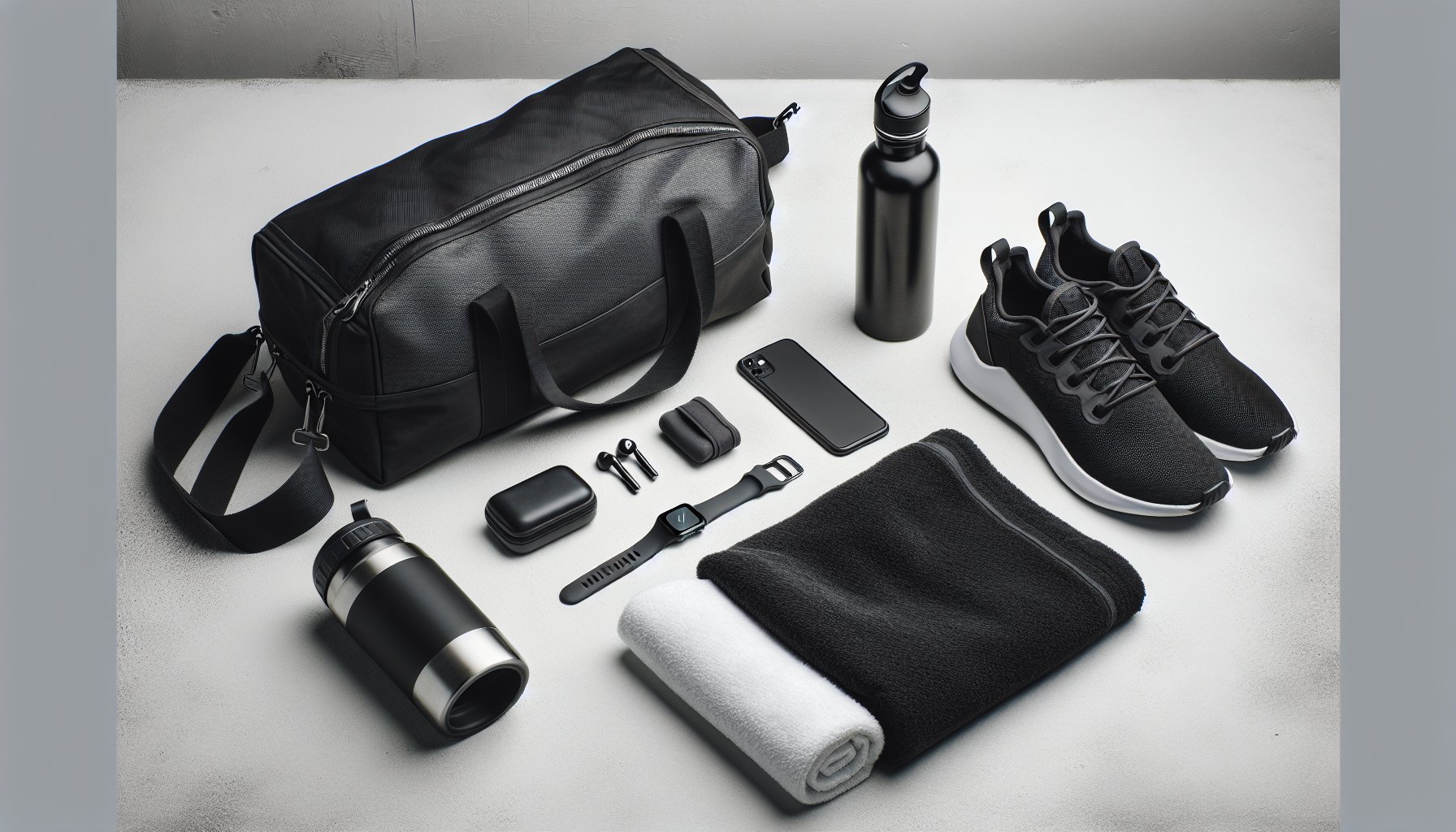
For gym-goers, choosing a gym along your daily commute rather than across town removes a common excuse. Pack your gym bag the night before and leave it by the door or in your car. The fewer decisions and obstacles between you and working out, the less motivation required.
Music significantly impacts performance and enjoyment. A meta-analysis in Psychology of Sport and Exercise found that music increased endurance by an average of 15% and made perceived exertion feel lower. Upbeat music with 120-140 beats per minute matches most workout intensities. Quality wireless headphones eliminate one more barrier to enjoying your sessions.
Identity-Based Habits
James Clear's research on behavior change emphasizes identity over outcomes. Instead of "I want to get fit" (outcome), the shift is "I am someone who exercises" (identity). This subtle difference changes how you make decisions.
When you identify as an athlete or active person, skipping workouts conflicts with your self-image. You're not forcing yourself to exercise despite who you are—you're acting consistently with who you already believe yourself to be.
Build this identity through small, repeated actions. Each workout is a vote for your new identity. You don't need to be perfect. As Clear notes in Atomic Habits, "Every action you take is a vote for the type of person you wish to become." Miss a workout? That's one vote. It takes many votes to change election results.
Start by acting as if you're already that person. Athletes prioritize sleep, so you prioritize sleep. People who exercise regularly don't skip workouts when they're busy—they adjust the duration. Over time, these behaviors stop feeling like effort and start feeling like who you are.
Dealing With Missed Workouts
Missing a workout isn't failure—it's data. Research in Health Psychology Review shows that how you respond to setbacks predicts long-term adherence better than how often setbacks occur.
The "never miss twice" rule prevents one missed workout from becoming a week off. Life happens. You get sick, work runs late, or you're genuinely exhausted. Missing one session has minimal impact on progress. Missing three consecutive sessions starts breaking the habit.
When you miss a workout, schedule the next one immediately. Don't wait until you "feel motivated again." Motivation follows action more often than it precedes it. Even a shortened workout—10 minutes instead of your planned 45—maintains the habit and proves to yourself that you can adapt rather than quit.
Distinguish between legitimate rest needs and avoidance. If you're genuinely exhausted or showing signs of overtraining, rest is productive. If you're skipping because you don't feel like it, that's when pushing through builds the habit. Our guide to rest days helps you identify the difference.
Using Equipment as Motivational Tools
While equipment isn't necessary for effective workouts, certain tools increase adherence by making exercise more enjoyable or convenient. A study in the Journal of Sports Sciences found that people who invested in home equipment worked out 2.3 times more frequently than those who relied on motivation alone.
Resistance bands are affordable, portable, and versatile. The TRX Home2 System costs around $170 and enables hundreds of exercises in any space. For strength training beginners, adjustable dumbbells like the Bowflex SelectTech 552 (approximately $400) replace an entire rack of weights.
Fitness trackers create gamification through streak tracking, achievement badges, and daily movement goals. The Garmin Venu 3 (around $450) tracks workouts automatically and provides recovery metrics, removing the need to log sessions manually.
The investment itself increases commitment—a phenomenon psychologists call the sunk cost effect. When you've spent money on equipment, you're more likely to use it. Just don't let equipment become a substitute for action. The best tool is the one you'll actually use.
Frequently Asked Questions
How do I stay motivated when I'm not seeing results?
Focus on performance improvements rather than appearance changes. Track how many reps you complete, how much weight you're lifting, or how you feel during workouts. Physical changes lag behind strength and endurance gains by several weeks. If your performance is improving, results are coming.
What's the best time of day to work out for consistency?
The best time is whenever you'll actually do it consistently. Morning workouts reduce the chance of schedule conflicts throughout the day. Evening workouts can relieve work stress. Research in Chronobiology International found adherence rates were similar across all times—what mattered was keeping the same schedule daily to build a habit.
How long does it take to make exercise a habit?
Studies show an average of 66 days for a new habit to become automatic, though this varies from 18 to 254 days depending on complexity. The key is consistency, not perfection. Missing one day doesn't restart the clock. Focus on not missing twice in a row.
Should I work out when I'm tired?
Distinguish between mental fatigue and physical exhaustion. Mental fatigue often improves with exercise. Physical exhaustion from poor sleep or overtraining requires rest. A good test: start your warm-up. If you feel better after 5-10 minutes, continue. If you feel worse, rest.
How do I stay consistent when traveling?
Pack resistance bands and plan bodyweight workouts that require no equipment. Most hotels have gyms, even if minimal. A 15-minute workout in your hotel room maintains the habit even if it's not your ideal session. The goal is consistency, not perfection.
What if my workout partner quits?
Having a backup accountability system prevents partner-dependent motivation. Join an online fitness community, track progress publicly on social media, or hire a coach for check-ins. Your fitness shouldn't depend on someone else's commitment, but accountability should still exist.
How do I restart after a long break?
Start with 50% of your previous volume and intensity. Going too hard too fast leads to soreness that derails momentum. Use the 2-minute rule—commit to just 10 minutes. Usually you'll continue past that, but even if you don't, you've maintained the habit of showing up.
Can I stay motivated without a specific goal?
Yes—process-oriented people often sustain exercise better than goal-focused individuals. If you enjoy how working out makes you feel, you don't need external targets. That said, having flexible goals like "get stronger over time" or "maintain fitness" can provide direction without creating pressure.
How do I handle motivation during plateaus?
Remember that plateaus are adaptation phases, not permanent stops. Keep your routine consistent, ensure adequate recovery, and trust the process. Often, progress resumes suddenly after weeks of no visible change. Consider taking progress photos monthly rather than weekly to see changes more clearly.
What's the best way to track workout progress?
Use an app that calculates total volume (sets × reps × weight) and shows progress graphs. Track subjective factors too: energy levels, mood, sleep quality, and how clothes fit. Multiple data points provide a fuller picture than any single metric.
Should I reward myself for workout consistency?
Small rewards that don't contradict your goals can reinforce habits. Buying new workout gear, getting a massage, or scheduling a fun activity works better than food rewards. Eventually, the workout itself becomes rewarding enough that external rewards become unnecessary.
The Bottom Line
Workout motivation isn't about finding the perfect inspirational quote or waiting until you feel ready. It's about building systems that make consistency easier than inconsistency. Start with the 2-minute rule to lower barriers, track progress to activate reward pathways, and build an identity around being active. Expect plateaus and missed workouts—they're part of the process, not signs of failure. The people who stay consistent long-term are the ones who make exercise automatic through environmental design, accountability, and intrinsic rewards rather than relying on fluctuating willpower.
Sources:
- Gardner B, Lally P, Wardle J. Making health habitual: the psychology of 'habit-formation' and general practice. British Journal of General Practice. 2012;62(605):664-666. https://bjgp.org/content/62/605/664
- Teixeira PJ, Carraça EV, Markland D, Silva MN, Ryan RM. Exercise, physical activity, and self-determination theory: a systematic review. International Journal of Behavioral Nutrition and Physical Activity. 2012;9:78. https://ijbnpa.biomedcentral.com/articles/10.1186/1479-5868-9-78
- Lally P, van Jaarsveld CHM, Potts HWW, Wardle J. How are habits formed: Modelling habit formation in the real world. European Journal of Social Psychology. 2010;40(6):998-1009. https://onlinelibrary.wiley.com/doi/10.1002/ejsp.674
- Fogg BJ. Tiny Habits: The Small Changes That Change Everything. Houghton Mifflin Harcourt, 2019. https://tinyhabits.com/book/
- Clear J. Atomic Habits: An Easy & Proven Way to Build Good Habits & Break Bad Ones. Avery, 2018. https://jamesclear.com/atomic-habits
- Karageorghis CI, Priest DL. Music in the exercise domain: a review and synthesis. International Review of Sport and Exercise Psychology. 2012;5(1):44-66. https://www.tandfonline.com/doi/abs/10.1080/1750984X.2011.631026