
Building a home gym doesn't require a second mortgage. Research from the International Health, Racquet & Sportsclub Association shows the average gym membership costs $696 annually, meaning a $500 home gym investment breaks even in under nine months. With strategic purchasing and smart equipment choices, you can build a complete training setup that delivers results without the recurring fees.
Quick Summary:
- A functional home gym costs $200-500 for beginners, with equipment paying for itself in 9-12 months
- Adjustable dumbbells, resistance bands, and a pull-up bar provide 80% of commercial gym exercises for under $300
- The secondhand market offers 40-60% savings on quality equipment through Facebook Marketplace and Craigslist
- Cost-per-use calculations favor durable basics over cheap specialty equipment that rarely gets used
- Strategic upgrades at $500 and $1000 budgets add barbells, benches, and plates for advanced programming
Understanding Budget Home Gym Investing
The cheapest home gym is the one you actually use. Equipment gathering dust represents zero value regardless of sale price. The most effective budget approach prioritizes versatile, durable gear that supports progressive overload across multiple movement patterns. A $150 set of adjustable dumbbells used four times weekly for five years costs 14 cents per workout, while a $30 kettlebell used monthly costs $6 per session.
Quality equipment maintains resale value. Brand-name dumbbells, barbells, and plates sell for 70-80% of retail price after years of use, effectively creating a gym rental system where you recover most costs when upgrading or moving. Cheap Amazon basics lose 90% of value immediately and often break before recouping their purchase price through gym membership savings.
The three budget tiers serve different training goals. A $200 setup handles bodyweight-focused training with light resistance. A $500 gym supports serious strength training with progressive loading. A $1000 investment replicates most commercial gym capabilities for home use. Most beginners should start at $200-300 and upgrade as consistency proves the investment worthwhile.
The $200 Starter Budget
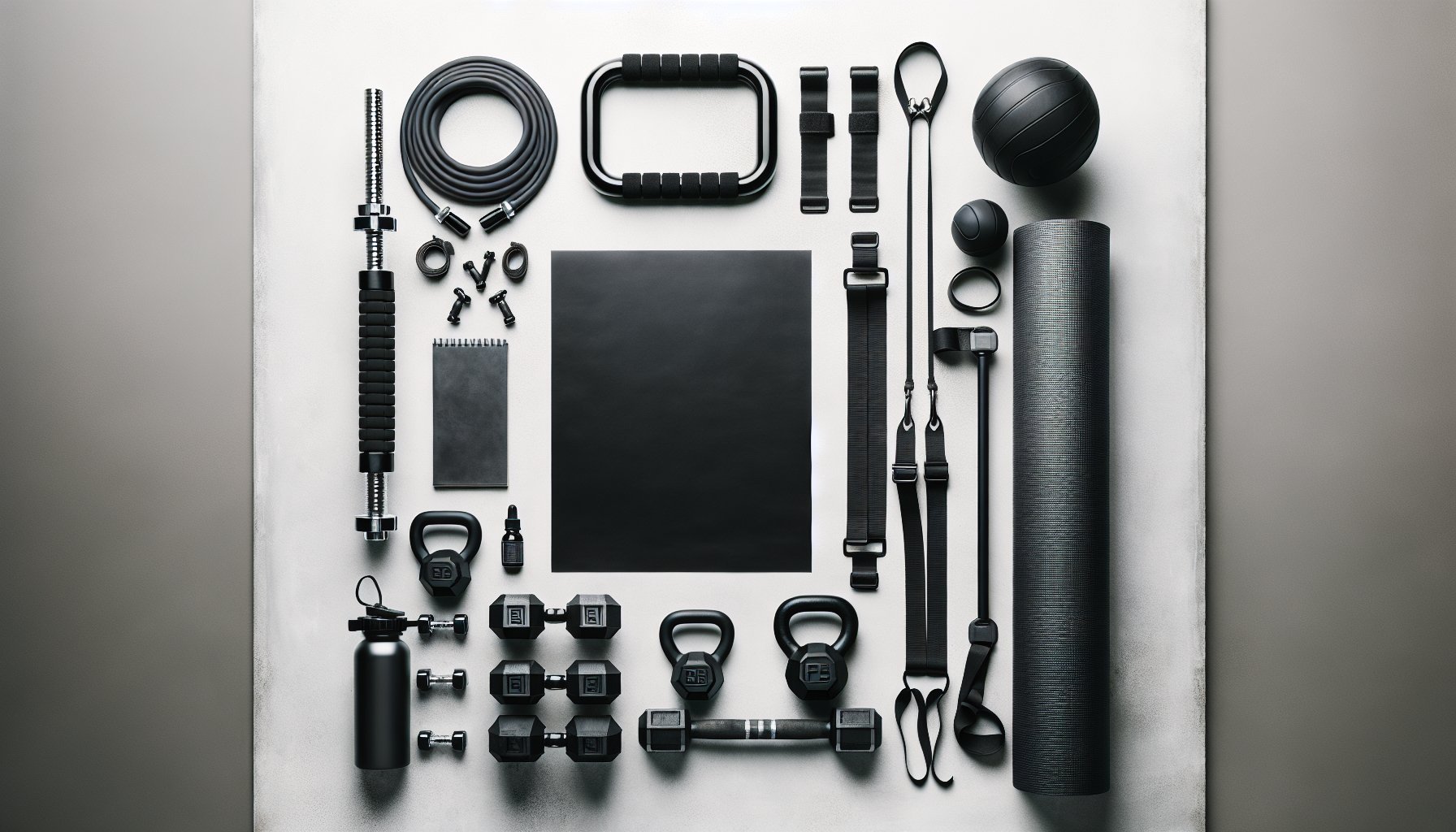
This tier covers bodyweight training with added resistance, suitable for beginners or those testing commitment before larger investments.
Core purchases:
- Adjustable dumbbells (5-25 lbs): $100-150
- Resistance band set: $25-40
- Doorway pull-up bar: $25-35
- Exercise mat: $20-30
Total: $170-255
The Bowflex SelectTech 552 Adjustable Dumbbells (around $350 for the pair) exceed this budget but represent the best long-term value, replacing 15 pairs of fixed dumbbells. For strict $200 budgets, the Amazon Basics Neoprene Dumbbell Set (approximately $80 for 5-25 lbs) provides adequate starter resistance.
A quality resistance band set with handles (around $30) adds progressive resistance for exercises where dumbbells are awkward. Bands also travel easily and store in drawers. The Iron Gym Total Upper Body Workout Bar (approximately $30) installs without screws and supports pull-ups, chin-ups, and hanging core work.
This setup covers push, pull, squat, hinge, and carry movements. Add a yoga mat for floor exercises and stretching. You're equipped for full-body training four days per week with enough variety to prevent boredom for 6-12 months.
Verdict: The $200 budget tier delivers complete home training capability for beginners while maintaining upgrade paths as strength increases. Adjustable dumbbells represent 60-75% of this budget but provide 80% of exercise variety.
The $500 Complete Setup
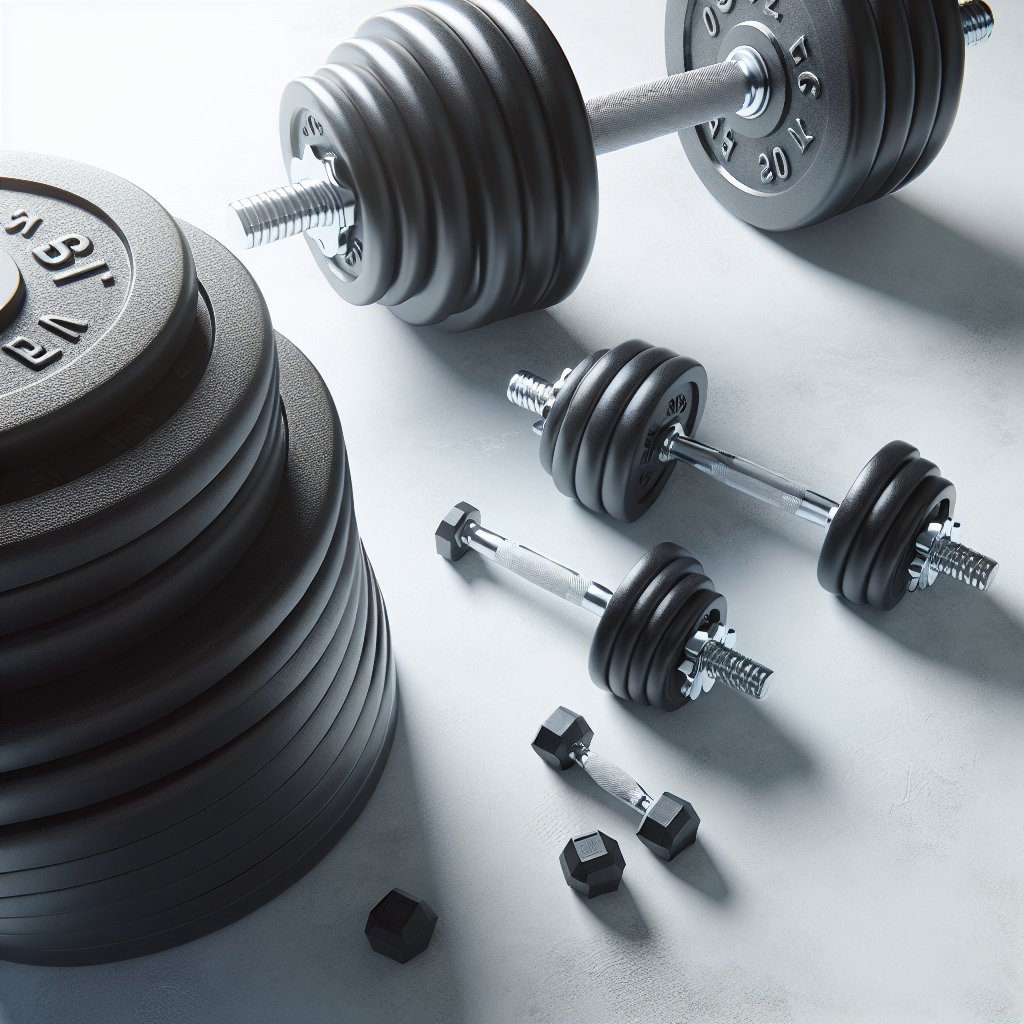
This tier adds barbell training, the most efficient tool for building strength and muscle.
Core purchases:
- Olympic barbell (45 lbs): $100-180
- Weight plates (160-200 lbs total): $150-250
- Adjustable bench: $100-150
- Squat stands or rack: $80-150
- Exercise mat: $20-30
Total: $450-760 (shop sales and used market)
At this budget, you're building a real strength training facility. The CAP Barbell Olympic 2-Inch Bar (around $120) handles 300+ pounds, sufficient for years of progression. Pair it with CAP Barbell Olympic Weight Plates bought incrementally as strength increases.
The REP Fitness AB-3000 Adjustable Bench (approximately $250) exceeds budget but lasts decades. The Amazon Basics Flat Weight Bench (around $80) works for those prioritizing barbell investment. Add independent squat stands for $100-150 or save for a full power rack when budget allows.
This setup enables squats, deadlifts, bench press, overhead press, rows, and Olympic lift variations. Combined with the $200 tier equipment, you've replicated 90% of commercial gym training options for a one-time $500-700 investment versus $60-80 monthly memberships.
The $1000 Advanced Build
This tier prioritizes safety, convenience, and training variety for serious lifters.
Additions to $500 setup:
- Power rack with safety bars: $300-500
- Upgraded barbell (better knurling): $200-300
- Additional plates (300+ lbs total): $200-300
- Plyo box or adjustable step: $60-100
- Foam roller and mobility tools: $40-60
Total: $1000-1260 (plus $500 tier equipment)
The Rogue R-3 Power Rack (around $550) provides safety for solo training, especially on heavy squats and bench press. Safety pins catch failed lifts that could cause injury with standalone stands. The rack also enables chin-ups and band resistance work.
An upgraded barbell like the Rogue Ohio Bar (approximately $325) features better knurling and spin for Olympic lifts. Serious lifters notice the difference immediately. Add plates to reach 300+ pounds total, enabling intermediate strength standards across all major lifts.
Include a Rep Fitness Plyo Box (around $90) for explosive training and step-ups. Mobility tools support recovery and injury prevention. This tier creates a comprehensive training facility rivaling commercial gyms for strength and conditioning work, minus cardio machines.
Smart Shopping: Where to Buy Used
The secondhand market delivers 40-60% savings on identical equipment. Weights don't expire. A 45-pound plate from 1985 works exactly like one from 2026.
Best platforms:
- Facebook Marketplace: Local pickup, see before buying, price negotiation
- Craigslist: Similar to Facebook, often older users selling quality vintage equipment
- OfferUp: Mobile-focused, good for quick deals
- Garage sales: Deep discounts but requires weekend hunting
Red flags to avoid:
- Cracked weight plates (structural failure risk)
- Bent barbells (indicates dropping heavy loads)
- Rusted equipment beyond surface oxidation (weakness in metal)
- Adjustable dumbbells with missing pieces (replacement parts expensive or unavailable)
Check commercial gym liquidation sales when facilities close or upgrade. You'll find heavy-duty equipment built for daily abuse at residential prices. Patience saves money—wait for the right deal rather than buying immediately. Good equipment sells fast, but more appears weekly.
Avoid buying benches or racks sight-unseen. Wobble and instability are dealbreakers for safety but difficult to assess from photos. Test stability before exchanging money. For plates and dumbbells, photos suffice if pricing is fair.
DIY Alternatives That Actually Work
Some equipment invites DIY solutions. Others demand commercial quality for safety and effectiveness.
Good DIY candidates:
- Plyo boxes (built from 3/4" plywood, $30-50 in materials)
- Landmine attachments (short piece of pipe mounted to wall)
- Weight plate storage (2x4 lumber rack)
- Sandbags (military duffel + playground sand, $25 total)
- Parallettes (PVC pipe or wood, $15-20)
Never DIY:
- Squat racks or stands (catastrophic failure risk)
- Barbells (bending under load creates injury hazard)
- Weight plates (density calculations difficult, often too light or break)
- Adjustable benches (stability critical for heavy pressing)
Your skill level determines DIY viability. Comfortable with welding? Build plate storage and specialty bars. Never touched power tools? Buy commercial equipment. Time invested in DIY projects rarely beats secondhand commercial gear on pure cost analysis, but building creates attachment and customization.
The exception is specialty items used occasionally. Building a reverse hyper attachment for $40 beats buying commercial versions at $300 when you'll use it once weekly. Standard equipment used daily justifies commercial purchase for durability and safety.
Purchase Prioritization by Training Goal
Your training focus determines purchase order. Powerlifters and bodybuilders need different equipment despite overlap.
Strength/powerlifting priority:
- Barbell and plates (300+ lbs)
- Power rack with safeties
- Flat bench
- Deadlift platform (DIY plywood and rubber)
Bodybuilding/hypertrophy priority:
- Adjustable dumbbells (5-75 lbs range)
- Adjustable bench (flat, incline, decline)
- Cable pulley system or resistance bands
- Barbell for compound lifts
General fitness priority:
- Resistance bands (full set)
- Adjustable dumbbells (moderate weight)
- Pull-up bar
- Kettlebell (35-50 lbs)
Home athlete/sport training priority:
- Plyo box
- Resistance bands for speed work
- Medicine balls
- Barbell for strength foundation
Start with movement patterns your training emphasizes most. See our home gym essentials guide for detailed equipment analysis. The home workout guide shows how to program effectively with limited equipment.
Avoiding Cheap Equipment That Fails
Price-per-pound seems attractive until the barbell bends or dumbbells break. Specific items justify premium pricing.
Worth spending more:
- Barbells: Cheap bars bend permanently under 200+ pounds, lack proper knurling for grip
- Adjustable benches: Wobble ruins pressing confidence and creates injury risk
- Power racks: Thin steel tubing collapses under failed lift loads
- Adjustable dumbbells: Mechanism failure dumps plates mid-rep
Safe to buy cheap:
- Weight plates: Iron is iron, cosmetics don't affect function
- Exercise mats: Cushioning and grip matter, brand names add unnecessary cost
- Resistance bands: Replace yearly anyway, moderate quality sufficient
- Foam rollers: Density matters more than brand, test in person
The CAP Barbell sets occupy the sweet spot between budget and quality. Avoid no-name Amazon brands with zero reviews or only 5-star reviews (often fake). One-star reviews reveal true quality issues worth reading.
Check weight tolerances. A bench rated for 600 pounds will handle 300-pound lifters pressing 250 pounds. A 300-pound tolerance fails with the same lifter as they progress. Buy capacity exceeding current needs by 50-100% for safety margins and growth room.
Warranty coverage signals manufacturer confidence. Lifetime warranties on frames indicate structural integrity expectations. 90-day warranties suggest planned obsolescence. Read fine print on return policies before buying.
Cost-Per-Use Analysis
Equipment value extends beyond purchase price to usage frequency over ownership years.
Calculate cost-per-use: (Purchase Price - Resale Value) / (Uses Per Week × Weeks Owned)
Example: $300 adjustable dumbbells used 4× weekly for 3 years with $200 resale value: ($300 - $200) / (4 × 156 weeks) = $0.16 per workout
Compare to $60 monthly gym membership: $60 / 16 workouts monthly = $3.75 per workout
The home equipment costs 4% of gym membership per use while providing 24/7 access and zero commute time. Equipment lasting 5-10 years drives cost-per-use below $0.10, essentially free compared to recurring memberships.
This analysis explains why quality equipment justifies higher upfront costs. A $150 barbell used 200 times yearly for 10 years costs $0.075 per workout. A $80 barbell that bends after 3 years costs $0.33 per workout, nearly 5× more expensive despite lower purchase price.
Infrequent-use equipment rarely justifies purchase. A $200 rowing machine gathering dust costs infinite dollars per use. Rent or use gym access for specialty equipment used monthly or less.
Secondhand Market Negotiation Tips
Sellers expect negotiation. Listed prices include negotiation margin.
Effective tactics:
- Offer 60-70% of asking price for items listed over 2 weeks
- Point out flaws or wear to justify discounts
- Bring exact cash, leave room to "go get more" if needed
- Bundle purchases for volume discounts
- Offer pickup within hours to close deal quickly
When to walk away:
- Seller refuses to demonstrate equipment function
- Missing pieces on adjustable equipment
- Visible structural damage or repairs
- Price within 10% of new retail (buy new with warranty)
Ask why they're selling. Moving sales create urgency and deep discounts. "Upgrading" suggests well-maintained equipment. "Never used it" means motivation to clear space, negotiate harder.
Check new retail pricing before viewing. Sellers often overestimate used value by comparing to outdated retail prices. Show current Amazon pricing to justify offers.
Best deals come from non-lifters selling inherited or abandoned equipment. They want it gone and accept low offers. Lifters know equipment value and price accordingly. Target listings with poor photos and vague descriptions—serious buyers skip these, reducing competition.
Building Your Budget Home Gym Timeline
Spread purchases across 3-6 months to catch sales, find used deals, and validate commitment before full investment.
Month 1-2: Core equipment
- Adjustable dumbbells or barbell + plates
- Exercise mat
- Resistance bands
Month 3-4: Training variety
- Bench (if barbell route)
- Pull-up bar
- Additional plates or dumbbells
Month 5-6: Safety and specialization
- Power rack or squat stands
- Specialty bars or equipment for weak points
- Recovery tools (foam roller, bands for mobility)
This approach validates training consistency before major investment. If you're still training 4× weekly after 3 months, the larger purchases justify their cost. If motivation wanes, you've spent $200-300 instead of $1000.
Sales cycles favor patient buyers. January (New Year's resolution season), Black Friday, and gym liquidation sales deliver 20-40% discounts on new equipment. The secondhand market floods with barely-used equipment every February when resolutions fade.
Our resistance bands guide explains how bands alone support complete training programs while saving for larger purchases. The small space gym guide shows how to maximize limited square footage with smart equipment choices.
Frequently Asked Questions
What's the absolute minimum cost for a functional home gym?
$150-200 covers adjustable dumbbells (5-25 lbs), a resistance band set, and a pull-up bar. This combination enables push, pull, squat, hinge, and carry movement patterns for complete full-body training. You can train effectively for 6-12 months before outgrowing this setup.
Is buying used gym equipment safe?
Used weight plates, barbells (if not bent), and dumbbells are safe and identical to new versions. Inspect benches and racks carefully for stability issues, rust beyond surface level, and structural damage. Test equipment in person before buying. Avoid used adjustable dumbbells if pieces are missing, as replacement parts are expensive.
How long until a home gym pays for itself compared to gym memberships?
With average gym memberships costing $58 monthly, a $500 home gym breaks even in 8-9 months. A $1000 setup pays for itself in 17 months. Equipment lasting 5-10 years effectively provides free training after the breakeven point while maintaining 60-80% resale value.
Should I buy dumbbells or a barbell first on a tight budget?
Dumbbells offer more exercise variety and work in small spaces, making them ideal for beginners or apartment dwellers. Barbells allow heavier loading for faster strength progression but require more space and additional equipment like racks and benches. Start with adjustable dumbbells up to 50 pounds, then add a barbell when you've outgrown dumbbell weights.
Where's the best place to find cheap weight plates?
Facebook Marketplace and Craigslist deliver 40-60% savings on used plates. Check gym liquidation sales when facilities close. Buy mixed brands to save money—45-pound plates are identical across brands. Expect $0.50-1.00 per pound used versus $1.50-2.50 per pound new. Patience finds better deals, as desperate sellers post weekly.
Can I build a complete home gym for under $300?
Yes, using secondhand markets and prioritizing essentials. Expect a barbell with 160 pounds of plates ($120-150 used), a basic flat bench ($40-60 used), and squat stands or sawhorses ($20-30 DIY). This covers squats, deadlifts, bench press, rows, and overhead press. Add resistance bands ($25) for accessory work. See our best dumbbells guide for alternatives.
What equipment holds resale value best?
Name-brand barbells (Rogue, REP, Texas Power Bar) and Olympic weight plates sell for 70-80% of retail after years of use. Power racks from quality manufacturers hold 60-70% value. Cheap Amazon equipment loses 90% of value immediately. Buy quality brands if you might move, downsize, or upgrade within 5 years.
Are adjustable dumbbells worth the high price?
The Bowflex SelectTech 552 replaces 15 pairs of fixed dumbbells that would cost $600-800 and require significant storage space. At $350 for the pair, they're cheaper and far more convenient for home gyms. The mechanism is durable for home use (3-5 workouts weekly). They pay for themselves within a year compared to gym memberships.
How much space do I actually need for a home gym?
A minimal setup (dumbbells, bench, resistance bands) works in 4×6 feet. A barbell setup needs 8×8 feet minimum for safe lifting. A complete gym with rack, barbell, bench, and floor space for movements requires 10×10 feet. Vertical storage using wall-mounted plate holders and bar racks conserves floor space significantly.
Should I buy a full home gym or keep my gym membership?
If you train 3+ times weekly and live within 20 minutes of a gym, memberships remain cost-effective for cardio machine access and class variety. If you train 4+ times weekly, have space at home, and value convenience over equipment variety, home gyms pay for themselves in under a year while eliminating commute time. Hybrid approaches using budget home setups for daily work and occasional gym visits for specialty equipment work well.
What's the one piece of equipment worth splurging on?
A quality barbell if you're doing strength training. The difference between a $100 CAP barbell and a $300 Rogue Ohio Bar is noticeable immediately in knurling, spin, and whip. A good barbell lasts decades and makes every workout more effective. Cheap barbells bend, rust, and lack proper grip texture, creating frustration and safety issues.
The Bottom Line
Building a budget home gym requires strategic thinking, not just minimum spending. The $200-500 range delivers complete training capability when purchases prioritize versatile, durable equipment over cheap specialty items. The secondhand market offers 40-60% savings on identical gear that lasts decades. Calculate cost-per-use rather than sticker price, invest in quality where safety matters, and build gradually to validate commitment before major purchases. Your home gym pays for itself in under a year while providing 24/7 access and zero commute time.
Sources:
- International Health, Racquet & Sportsclub Association. Average gym membership costs and industry trends. https://www.ihrsa.org/
- American Council on Exercise. Home gym equipment recommendations and exercise variety analysis. https://www.acefitness.org/
- National Strength and Conditioning Association. Equipment durability and safety standards for resistance training. https://www.nsca.com/