

Cardiovascular training improves heart function, increases endurance, and supports fat loss when done correctly. According to research published in the Journal of the American College of Cardiology, individuals who perform regular cardio exercise have a 30-40% lower risk of cardiovascular disease compared to sedentary individuals, with benefits appearing at just 150 minutes per week.
Quick Summary:
- LISS, MISS, and HIIT each provide distinct benefits depending on your training goals
- Heart rate zones determine training intensity and specific cardiovascular adaptations
- Cardio for fat loss requires a caloric deficit, not a specific type of cardio
- Most people need 150-300 minutes of moderate cardio or 75-150 minutes of vigorous cardio weekly
- Strategic timing and appropriate volume preserve muscle while building cardiovascular fitness
What Is Cardiovascular Training
Cardiovascular training refers to any sustained physical activity that elevates your heart rate and challenges your aerobic system. The primary purpose is to improve heart function, increase oxygen delivery to working muscles, and build aerobic capacity. While often associated with running or cycling, cardio encompasses any movement that sustains an elevated heart rate for an extended period.
Cardio training works through three main mechanisms. First, it strengthens the heart muscle itself, improving stroke volume (the amount of blood pumped per beat). Second, it increases mitochondrial density in muscle cells, enhancing your body's ability to produce energy aerobically. Third, it improves capillary density, allowing more efficient oxygen and nutrient delivery to working tissues.
Types of Cardiovascular Training
LISS (Low-Intensity Steady State)
LISS involves maintaining a consistent, low-intensity pace for extended periods, typically 45-90 minutes. This includes activities like walking, easy jogging, or casual cycling at 50-65% of your maximum heart rate. LISS burns primarily fat for fuel, creates minimal recovery demands, and can be performed frequently without interfering with strength training.
Research in Sports Medicine demonstrates that LISS improves mitochondrial function and fat oxidation capacity while producing minimal muscle damage. This makes it ideal for active recovery days, building aerobic base fitness, or adding volume without excessive fatigue.
MISS (Moderate-Intensity Steady State)
MISS represents the middle ground, performed at 65-75% of maximum heart rate for 30-60 minutes. Examples include brisk walking, moderate-pace running, or swimming laps at a conversational pace. This intensity zone provides substantial cardiovascular benefits while remaining sustainable for most training schedules.
Studies published in the British Journal of Sports Medicine show that MISS optimally balances cardiovascular adaptations with time efficiency. Most public health recommendations target this zone because it provides significant health benefits without requiring the recovery demands of high-intensity work.
HIIT (High-Intensity Interval Training)
HIIT alternates short bursts of near-maximal effort with recovery periods. Sessions typically last 15-30 minutes total, with work intervals performed at 85-95% of maximum heart rate. Common protocols include sprint intervals, rowing sprints, or cycling intervals with work-to-rest ratios ranging from 1:1 to 1:3.
Research in the Journal of Applied Physiology demonstrates that HIIT produces superior improvements in VO2 max (maximal oxygen uptake) compared to steady-state cardio in less total time. However, HIIT creates significantly more fatigue and requires adequate recovery. Learn more about specific protocols in our HIIT guide.

Understanding Heart Rate Zones
Heart rate zones provide a framework for targeting specific training adaptations. Maximum heart rate is commonly estimated as 220 minus your age, though individual variation exists. A more accurate method involves a maximal exercise test, but the age-based formula works adequately for most training purposes.
Zone 1 (50-60% max HR) represents very light activity, primarily used for warmup or active recovery. Zone 2 (60-70% max HR) builds aerobic base and fat-burning capacity. Zone 3 (70-80% max HR) improves aerobic efficiency. Zone 4 (80-90% max HR) develops lactate threshold. Zone 5 (90-100% max HR) maximizes VO2 max and anaerobic capacity.
For most fitness goals, the majority of cardio should occur in Zones 2-3, with strategic use of Zones 4-5 for specific adaptations. A fitness tracker helps monitor heart rate zones accurately during training sessions.
Verdict: Choose cardio type based on your specific goal and available recovery capacity. LISS works best for frequent, low-fatigue volume. MISS provides efficient general cardiovascular health. HIIT maximizes VO2 max improvements but requires adequate recovery between sessions.
Cardio for Fat Loss vs Endurance
The type of cardio you choose should align with your primary training goal. For fat loss, total caloric expenditure matters more than the specific cardio modality. Research in Obesity Reviews confirms that fat loss occurs when total energy expenditure exceeds intake, regardless of whether calories are burned through LISS, MISS, or HIIT.
That said, LISS allows higher total volume without excessive fatigue, potentially creating larger total caloric deficits. HIIT burns fewer total calories during the session but may increase post-exercise oxygen consumption. The practical difference is minimal compared to dietary control. See our cutting guide for comprehensive fat loss strategies.
For endurance development, progressive volume matters most. Endurance athletes should emphasize Zone 2 work to build aerobic base, incorporating Zone 4-5 intervals to improve lactate threshold and VO2 max. The polarized training model suggests approximately 80% of cardio volume in Zones 1-2, with 20% in Zones 4-5.
How Much Cardio Per Week
The American Heart Association recommends 150-300 minutes of moderate-intensity cardio or 75-150 minutes of vigorous-intensity cardio weekly for general health. These represent minimum effective doses, not upper limits.
For individuals focused primarily on strength training, 2-3 cardio sessions of 20-30 minutes each week provides cardiovascular health benefits without compromising recovery. Research in the Journal of Strength and Conditioning Research shows that this volume improves aerobic capacity while minimally interfering with strength adaptations.
For fat loss goals while preserving muscle, 3-4 sessions of 30-45 minutes provides additional caloric expenditure without excessive fatigue. Prioritize LISS or moderate walking to minimize recovery demands. For endurance-focused athletes, 5-7 sessions totaling 4-8 hours weekly represents typical training volume.
Cardio and Muscle Preservation
Excessive cardio can interfere with muscle growth through multiple mechanisms. High-volume cardio increases cortisol, reduces muscle protein synthesis, and competes for recovery resources. However, moderate cardio volumes support muscle retention through improved nutrient delivery and insulin sensitivity.
Research published in Sports Medicine demonstrates that concurrent training (combining cardio and strength work) can reduce strength gains compared to strength training alone when cardio volume exceeds 3-4 sessions weekly at moderate-to-high intensity. The interference effect increases with higher cardio intensities and volumes.
To preserve muscle while including cardio, keep total cardio volume moderate, prioritize LISS over HIIT when adding volume, ensure adequate protein intake (1.6-2.2 grams per kilogram bodyweight), and time cardio strategically around strength sessions. Performing cardio after lifting or on separate days minimizes acute interference with strength performance.
Best Cardio Modalities
Running
Running provides accessible, equipment-free cardio that burns significant calories. However, it creates high impact stress on joints and connective tissue. Begin conservatively if you're new to running, starting with run-walk intervals and gradually progressing volume. Quality running shoes reduce injury risk.
Cycling
Cycling offers low-impact cardio suitable for high-frequency training. It allows easy intensity modulation and creates minimal muscle damage. Stationary bikes provide convenient indoor options, while outdoor cycling adds variety and terrain challenges.
Swimming
Swimming provides zero-impact, full-body cardio ideal for individuals with joint issues or those seeking active recovery options. The aquatic environment reduces perceived exertion while still challenging the cardiovascular system. However, swimming requires pool access and basic technique proficiency.
Rowing
Rowing combines cardiovascular challenge with significant muscular demand, particularly for the posterior chain and upper back. It provides efficient full-body conditioning in short sessions. Indoor rowers like the Concept2 Model D (approximately $1,000) offer reliable, low-maintenance options for home training.
Walking and Rucking
Walking represents the most accessible cardio modality, creating minimal fatigue while accumulating significant total volume. Rucking (walking with a weighted backpack) increases intensity without joint impact. Japanese interval walking provides a structured approach to moderate-intensity walking.
Cardio Timing Around Lifting
Strategic cardio timing minimizes interference with strength training. Performing cardio immediately after strength work allows you to train with full energy for lifting while adding cardio in a fatigued state. This approach prioritizes strength performance.
Separating cardio and strength sessions by at least 6-8 hours reduces acute interference effects. Morning cardio with evening lifting (or vice versa) works well for individuals who can train twice daily. This separation allows partial recovery between sessions.
On rest days from lifting, cardio provides active recovery benefits without competing for resources. LISS walking, easy cycling, or swimming on off-days maintains activity levels while supporting strength training recovery. Avoid high-intensity cardio the day before heavy lower-body training, as residual fatigue impairs squat and deadlift performance.
Equipment Recommendations
A quality heart rate monitor ensures you're training in the correct zones. The Polar H10 Heart Rate Monitor (around $90) provides accurate chest-strap monitoring compatible with most fitness apps.
For home cardio equipment, the Schwinn IC4 Indoor Cycling Bike (approximately $900) offers quiet, space-efficient cardiovascular training. The NordicTrack Commercial 1750 Treadmill (around $1,800) provides a premium running option with incline capabilities.
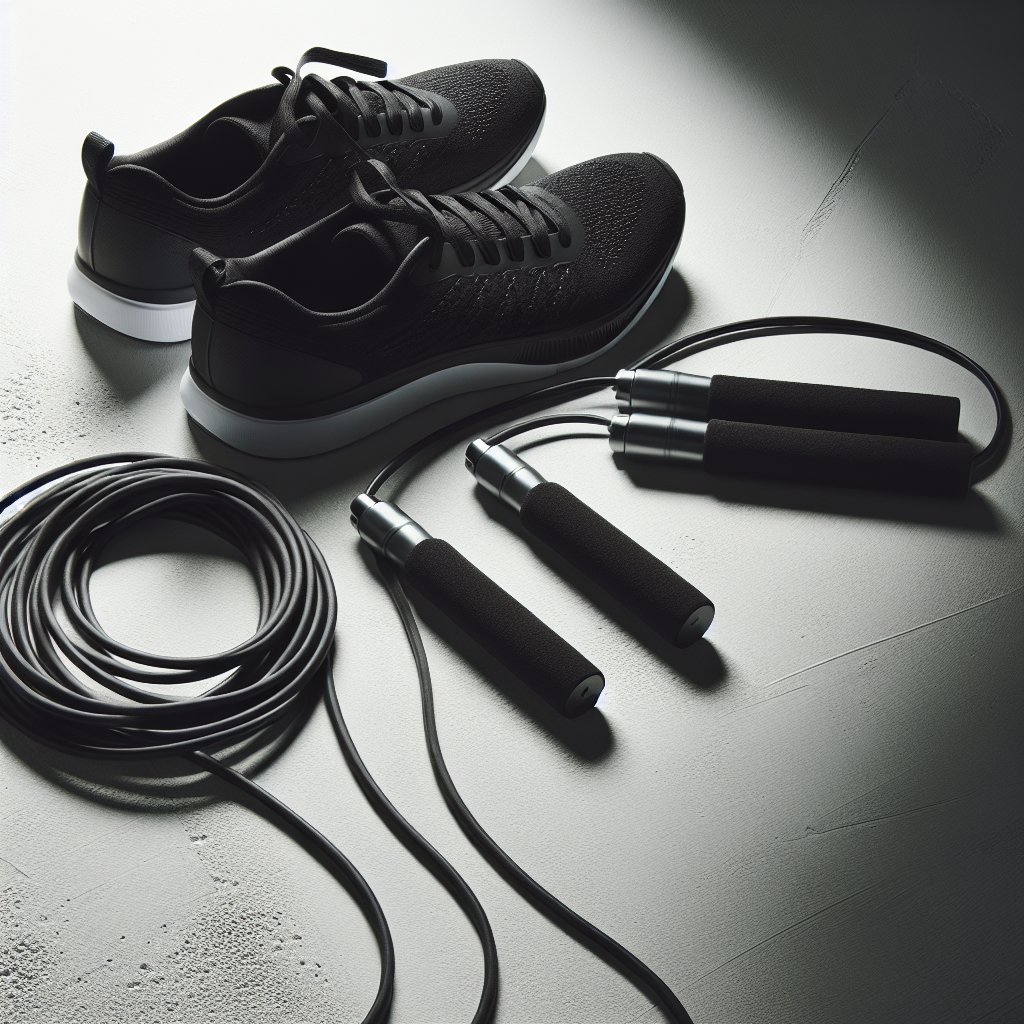
Minimalist options work equally well. A basic jump rope (approximately $15) provides intense cardio in minimal space, while a quality pair of running shoes remains the only essential equipment for outdoor running.
Common Mistakes to Avoid
Excessive cardio volume remains the most common error, particularly among individuals pursuing fat loss. More cardio does not equal better results when dietary control is absent. Creating large caloric deficits through cardio alone increases fatigue, elevates cortisol, and often leads to compensatory reductions in daily activity.
Performing only high-intensity cardio creates unnecessary recovery demands. While HIIT provides time-efficient benefits, exclusively doing intense work neglects aerobic base development and increases injury risk. Most effective programs emphasize Zone 2 work with strategic high-intensity sessions.
Neglecting proper progression causes overuse injuries. Increasing cardio volume by more than 10% weekly elevates injury risk, particularly for high-impact modalities like running. Build volume gradually and incorporate rest weeks every 3-4 weeks to allow adaptation.
Poor timing around strength sessions impairs both cardio and lifting performance. Performing intense cardio immediately before lifting reduces available energy for strength work. Schedule high-intensity cardio sessions on separate days from heavy leg training to optimize both adaptations.
Frequently Asked Questions
Should I do cardio before or after weights?
Perform cardio after strength training when both occur in the same session. This preserves energy and muscle glycogen for strength work, which requires higher quality effort. Lifting in a pre-fatigued state from cardio reduces strength performance and increases injury risk.
How much cardio is too much for muscle building?
More than 4-5 moderate-to-high intensity cardio sessions weekly begins interfering with muscle growth for most people. Total weekly volume above 300 minutes at moderate intensity or 150 minutes at high intensity increases the interference effect. Prioritize LISS when adding cardio volume during muscle-building phases.
Does fasted cardio burn more fat?
Fasted cardio increases fat oxidation during the session but does not produce superior total fat loss. Research in the Journal of the International Society of Sports Nutrition shows that total daily energy balance determines fat loss, not the fuel source used during individual sessions. Choose fasted or fed cardio based on performance and personal preference.
Can I build muscle and improve cardio simultaneously?
Yes, particularly for beginners or detrained individuals. Research demonstrates that concurrent training produces simultaneous improvements in strength and cardiovascular fitness when programmed appropriately. Keep cardio volume moderate, separate intense sessions from heavy lifting days, and ensure adequate nutrition and recovery.
What's the best time of day for cardio?
The best time is whenever you can maintain consistency. Morning cardio may enhance fat oxidation and establish routine adherence. Evening cardio allows using food for energy. Performance differences between times are minimal compared to the benefit of consistent training.
How long should a cardio session last?
Session duration depends on intensity and goals. HIIT sessions last 15-30 minutes total. MISS sessions run 30-60 minutes. LISS can extend 45-90 minutes. More time does not necessarily mean better results, especially at higher intensities where quality matters more than duration.
Is walking enough cardio?
Walking provides sufficient cardiovascular stimulus for general health when performed at adequate volume. Brisk walking for 150-300 minutes weekly meets public health guidelines. However, more intense exercise produces superior cardiovascular adaptations and time efficiency for those seeking performance improvements.
Should I do cardio on rest days?
Light cardio like walking or easy cycling on rest days provides active recovery benefits without impeding strength training recovery. Avoid intense cardio on rest days, as it prevents adequate recovery. True rest days with minimal activity are also beneficial 1-2 times weekly.
Does cardio kill gains?
Moderate cardio volumes do not prevent muscle growth when nutrition and recovery are adequate. The "cardio kills gains" belief originates from excessive volumes at high intensities while in caloric deficits. Strategic cardio enhances recovery, improves nutrient partitioning, and supports overall training capacity.
How do I prevent boredom with cardio?
Vary modalities, use interval protocols, train outdoors when possible, listen to podcasts or audiobooks, or perform cardio with training partners. Short, intense sessions like HIIT reduce total time commitment. Choosing activities you genuinely enjoy improves long-term adherence.
What heart rate should I target for fat burning?
The "fat-burning zone" (typically 60-70% max HR) burns a higher percentage of calories from fat but fewer total calories than higher intensities. Total caloric expenditure matters most for fat loss. Train at intensities you can sustain for adequate duration while maintaining consistency across weeks.
The Bottom Line
Cardiovascular training improves heart health, builds endurance, and supports fat loss when aligned with your specific goals. Choose LISS for high-frequency, low-fatigue volume. Use MISS for time-efficient general fitness. Apply HIIT strategically for VO2 max improvements. Most people benefit from 150-300 minutes of moderate-intensity or 75-150 minutes of vigorous-intensity cardio weekly. Time cardio sessions after strength work or on separate days to minimize interference with muscle building.
Sources:
- Lavie CJ, et al. Exercise and the cardiovascular system: clinical science and cardiovascular outcomes. Circulation Research. 2015;117(2):207-219. https://www.ahajournals.org/doi/10.1161/CIRCRESAHA.117.305205
- Milanović Z, et al. Effectiveness of high-intensity interval training (HIIT) and continuous endurance training for VO2max improvements: a systematic review and meta-analysis of controlled trials. Sports Medicine. 2015;45(10):1469-1481. https://pubmed.ncbi.nlm.nih.gov/26243014/
- Wilson JM, et al. Concurrent training: a meta-analysis examining interference of aerobic and resistance exercises. Journal of Strength and Conditioning Research. 2012;26(8):2293-2307. https://pubmed.ncbi.nlm.nih.gov/22002517/
- American Heart Association. American Heart Association Recommendations for Physical Activity in Adults and Kids. 2024. https://www.heart.org/en/healthy-living/fitness/fitness-basics/aha-recs-for-physical-activity-in-adults
- Schoenfeld BJ, et al. Body composition changes associated with fasted versus non-fasted aerobic exercise. Journal of the International Society of Sports Nutrition. 2014;11(1):54. https://pubmed.ncbi.nlm.nih.gov/25429252/