
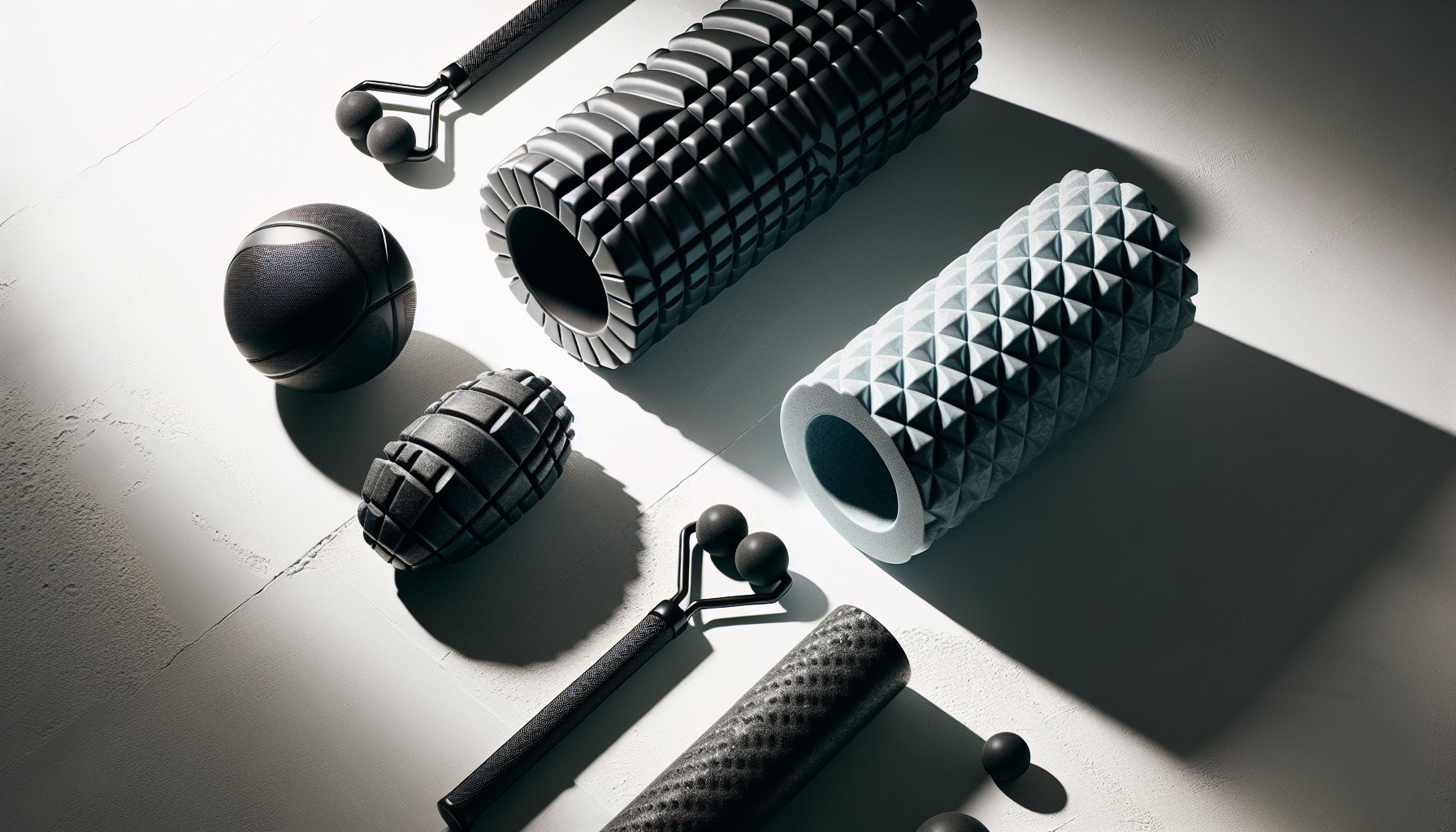
A 2015 systematic review in the International Journal of Sports Physical Therapy found that foam rolling increases joint range of motion by up to 10 degrees within two minutes and reduces delayed-onset muscle soreness (DOMS) by as much as 50% compared to untreated muscles. Despite those numbers, most people grab a foam roller and just roll around aimlessly. Here is how to actually do it right.
Quick Summary:
- Foam rolling increases range of motion without reducing muscle strength or power output
- Pre-workout rolling primes your muscles for movement; post-workout rolling speeds recovery and reduces soreness
- Each muscle group needs 60-120 seconds of slow, controlled rolling to trigger an adaptive response
- You should never foam roll directly on joints, the lower back, or bony prominences
- A basic high-density foam roller (around $15) is all most beginners need to get started
What Foam Rolling Actually Does to Your Body
Foam rolling is a form of self-myofascial release (SMR) — applying pressure to soft tissue to reduce tension, improve blood flow, and restore normal movement patterns. The mechanisms go deeper than just "breaking up knots."
Research published in Sports Medicine shows that foam rolling activates type III and IV interstitial nerve receptors in your fascia and skin. These receptors shift your autonomic nervous system from sympathetic (fight-or-flight) into parasympathetic (rest-and-recover) mode. A 15-minute session measurably reduces blood pressure and heart rate while increasing blood flow to the treated area.
The key advantage over static stretching: foam rolling achieves the same ROM gains without any temporary strength reduction. A 2014 study in the Journal of Strength and Conditioning Research found that subjects who foam rolled their quadriceps for two minutes gained the same knee ROM as static stretching — but maintained full muscle activation and force production. That makes foam rolling a superior warm-up tool when strength matters.
When to Foam Roll: Pre-Workout vs. Post-Workout
Before training: Rolling 1-2 minutes per muscle group increases tissue elasticity and ROM without impairing performance. Roll the muscle groups you plan to train, then move into dynamic warm-up drills.
After training: Every study examining post-exercise foam rolling has found a reduction in perceived soreness. Research in the Journal of Athletic Training showed that 20 minutes of rolling for three days after a hard leg session significantly decreased DOMS scores. Post-workout rolling also accelerates the return of normal range of motion.
On rest days: Foam rolling on rest days supports active recovery by increasing blood flow without adding training stress.
Roll before training to move better, and after training to recover faster. If you only have time for one, post-workout delivers the greatest recovery benefit.
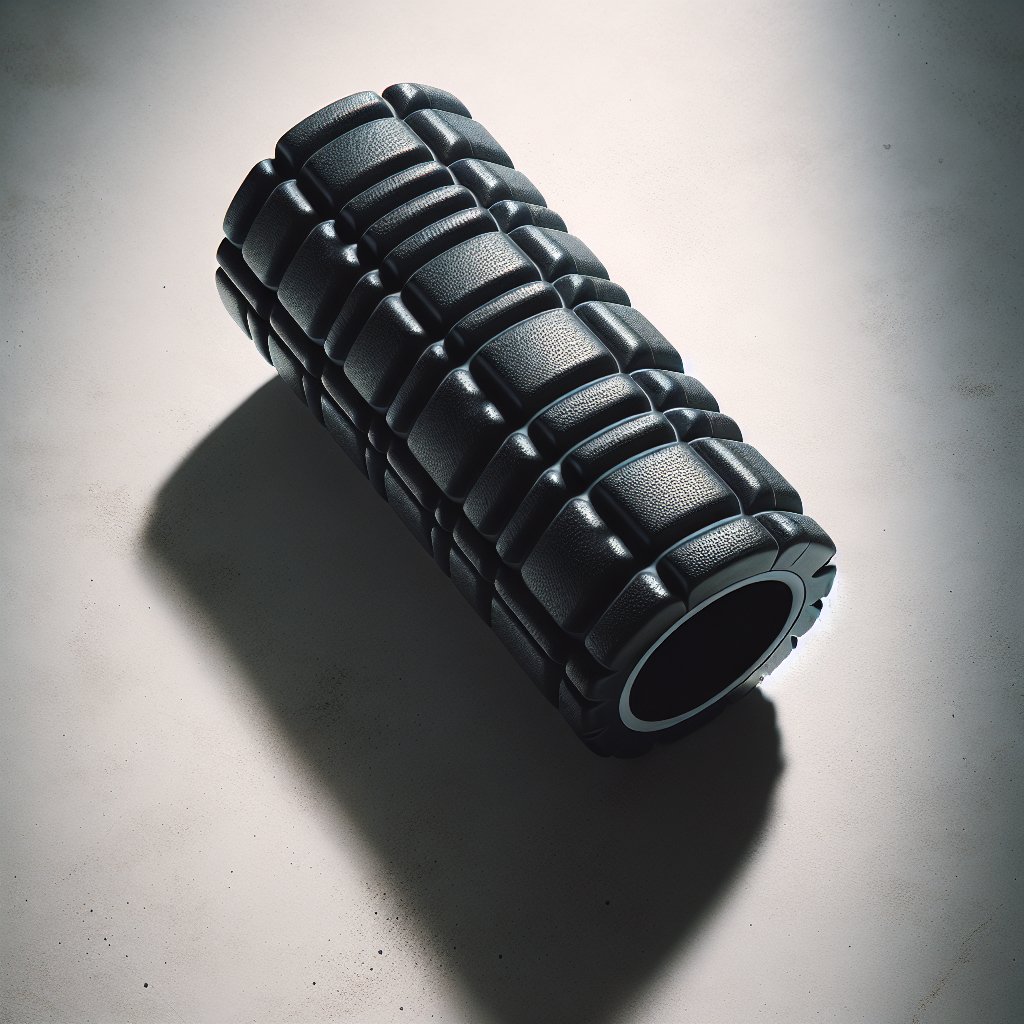
How to Foam Roll Each Major Muscle Group
Position the roller under the target muscle, use your body weight to apply pressure, and roll slowly at about one inch per second. Spend 60-120 seconds per muscle group, pausing on tender spots for 20-30 seconds until discomfort decreases.
Quadriceps (Front of Thigh)
Lie face down with the roller under your thighs. Support your upper body on your forearms and roll from just above the kneecap to the hip crease. Stack one leg on the other for more pressure. Rotate slightly inward and outward to hit the inner and outer quad.
Hamstrings (Back of Thigh)
Sit with the roller under the back of your thighs, hands behind you. Roll from above the knee to the base of the glutes. Cross one leg over the other for more pressure and rotate to hit the medial and lateral hamstrings.
IT Band (Outer Thigh)
Lie on your side with the roller just below your hip. Cross your top leg in front for stability. Roll from the hip to just above the knee. This area is very tender — control intensity by shifting weight onto your top foot. A TriggerPoint MB1 Massage Ball (around $10) can reach spots a flat roller misses.
Calves (Back of Lower Leg)
Sit with the roller under your calves, hands behind you. Roll from the Achilles tendon to just below the knee. Cross one ankle over the other for more pressure. Point and flex your foot while holding on tender spots.
Upper Back (Thoracic Spine)
Lie on your back with the roller across your mid-back. Cross your arms over your chest, lift your hips, and roll from mid-back to the base of your neck. Extend over the roller at each segment to mobilize the thoracic spine. The Chirp Wheel+ (around $35) provides a more targeted curve for this area. For a complete approach, check our mobility guide.
Glutes
Sit on the roller with one ankle crossed over the opposite knee (figure-four position). Lean toward the crossed leg and roll across the glute. This position also addresses the piriformis, a deep hip rotator that contributes to hip tightness.
Verdict: Foam rolling works best as a daily habit, not a once-in-a-while fix. Two minutes per muscle group, 3-5 times per week, delivers measurable improvements in range of motion, recovery speed, and training readiness. Pair it with a proper stretching routine for the best results.
Choosing the Right Foam Roller
Density
Soft (white): Gentle pressure for beginners with very low pain tolerance. Wears out fast and may not provide enough stimulus for larger muscles.
Medium-firm (blue/green): The sweet spot for most people. The Amazon Basics High-Density Foam Roller (around $15) handles everything from warm-ups to deep tissue work.
Firm (black): Maximum pressure and durability. The TriggerPoint GRID Foam Roller (around $35) uses a rigid hollow core with firm EVA foam that never flattens. Industry standard for a reason.
Size
A 36-inch roller works for full-body use, including upper back work. An 18-inch roller is more portable and fits in most gym bags.
Surface Texture
Smooth rollers provide even pressure. Textured rollers (ridges, knobs, channels) create variable pressure that mimics massage therapy. Start smooth and progress to more aggressive textures as your tissue adapts.
Vibrating Rollers
The Hyperice Vyper 3 (around $200) adds high-frequency vibration to the rolling surface. Research shows vibration rolling produces greater DOMS reduction and larger improvements in pain threshold compared to standard rolling. A "nice to have" for serious athletes.
Common Foam Rolling Mistakes
Rolling Too Fast
The nervous system changes that drive ROM improvements require slow, sustained pressure — 60-120 seconds per muscle group at about one inch per second. Rapid rolling does not give your nervous system time to respond.
Rolling Directly on the Lower Back
The lumbar spine has no rib cage for structural support. Pressing a roller into it forces the spinal erectors to contract protectively, increasing tension. Instead, roll the muscles that attach to the lumbar area — glutes, hip flexors, and thoracic spine.
Rolling Over Joints and Bony Areas
Foam rollers belong on muscle tissue, not on kneecaps, shin bones, or the spine itself. Rolling over bony prominences risks bruising the periosteum (bone covering). Stop just short of any joint.
Not Breathing
Holding your breath keeps your nervous system in a sympathetic state that fights the relaxation you are trying to create. Exhale as you sink into pressure to activate the parasympathetic response that reduces tissue tension.
Spending Too Long on One Spot
Pausing on tender spots for 20-30 seconds is effective, but 5+ minutes on one area causes tissue irritation and bruising. If a spot stays painful after 30 seconds, move on and return next session. For more recovery strategies, see our post-workout recovery guide.
Frequently Asked Questions
How long should a foam rolling session last?
A full-body session takes 10-15 minutes at 60-120 seconds per muscle group. Short on time? Focus on the 2-3 muscles you trained that day. Consistency matters more than session length.
Does foam rolling actually break up scar tissue or knots?
No. The forces required to mechanically deform fascia exceed what a foam roller generates. Benefits come from neurological mechanisms — stimulating nerve receptors that reduce muscle tone and increase blood flow.
Is foam rolling supposed to hurt?
Expect moderate discomfort at a 4-6 on a 1-10 pain scale. Sharp pain, numbness, or tingling means you are pressing too hard or hitting a nerve. Reduce pressure by shifting weight onto your supporting limbs.
Can I foam roll every day?
Yes. Daily rolling is safe and effective. Research shows no negative effects from daily sessions of 10-20 minutes. Many athletes roll twice daily — before training and before bed.
Should beginners start with a soft or firm foam roller?
Start with medium density. Soft rollers compress too much for meaningful stimulus, and you will outgrow one within weeks. A medium-firm roller like the Amazon Basics High-Density Foam Roller is effective yet tolerable.
Does foam rolling help with flexibility?
Yes. A 2022 meta-analysis in Sports Medicine confirmed that foam rolling produces acute ROM improvements comparable to static stretching. Programs lasting 4+ weeks show sustained flexibility gains, especially combined with stretching. See our stretching guide for a full program.
Can foam rolling replace a sports massage?
Foam rolling handles surface-level tissue well but cannot replicate the targeted deep-tissue pressure a skilled therapist applies. It reduces how often you need professional massage but does not replace it for acute injuries.
Is it normal to have bruises after foam rolling?
Mild bruising can happen in early sessions, especially on the IT band. Frequent bruising means too much pressure — shift more weight onto your hands and feet, and limit time on any single area to 30 seconds.
What muscle groups should I avoid foam rolling?
Avoid the lower back, front of the neck, and any area with acute inflammation or known blood clots. Do not roll over bones or joints. Those with conditions like deep vein thrombosis or osteoporosis should consult a physician first.
When will I notice results from foam rolling?
ROM improvements are immediate — measurable within 2 minutes of rolling. DOMS reduction is noticeable after the first session. Baseline flexibility and chronic tightness improvements appear after 2-4 weeks of consistent daily rolling.
How does foam rolling compare to a massage gun?
Foam rollers apply broad pressure across large muscles; massage guns deliver concentrated percussive force to specific points. Rollers are better for general warm-up and full-body recovery. Guns excel at targeting trigger points and smaller muscles.
The Bottom Line
Foam rolling is one of the simplest, most cost-effective recovery tools available. A $15-35 roller and 10 minutes a day deliver measurable improvements in range of motion, soreness reduction, and training readiness. Start with your tightest muscle groups, roll slowly, breathe deeply, and stay consistent. If you are new to training, pair this with our beginner's workout guide.
Sources:
- Cheatham SW, et al. The Effects of Self-Myofascial Release Using a Foam Roll or Roller Massager on Joint Range of Motion, Muscle Recovery, and Performance: A Systematic Review. https://pmc.ncbi.nlm.nih.gov/articles/PMC4637917/
- Wiewelhove T, et al. A Meta-Analysis of the Effects of Foam Rolling on Performance and Recovery. https://pmc.ncbi.nlm.nih.gov/articles/PMC6465761/
- Konrad A, et al. Foam Rolling Training Effects on Range of Motion: A Systematic Review and Meta-Analysis. Sports Medicine, 2022. https://pmc.ncbi.nlm.nih.gov/articles/PMC9474417/
- Wilke J, et al. Do Self-Myofascial Release Devices Release Myofascia? Rolling Mechanisms: A Narrative Review. Sports Medicine, 2020. https://pubmed.ncbi.nlm.nih.gov/31256353/
- MacDonald GZ, et al. An Acute Bout of Self-Myofascial Release Increases Range of Motion Without a Subsequent Decrease in Muscle Activation or Force. Journal of Strength and Conditioning Research, 2013. https://pubmed.ncbi.nlm.nih.gov/22580977/
- Casuso RA, et al. Effects of Foam Rolling Duration on Tissue Stiffness and Perfusion. Journal of Sports Science & Medicine, 2021. https://pmc.ncbi.nlm.nih.gov/articles/PMC8488834/
- Lim JH, Park CB. Acute Effects of Foam Rolling Exercises on Arterial Stiffness, Flexibility and Autonomic Nervous System Function. Healthcare, 2021. https://www.researchgate.net/publication/356614058