
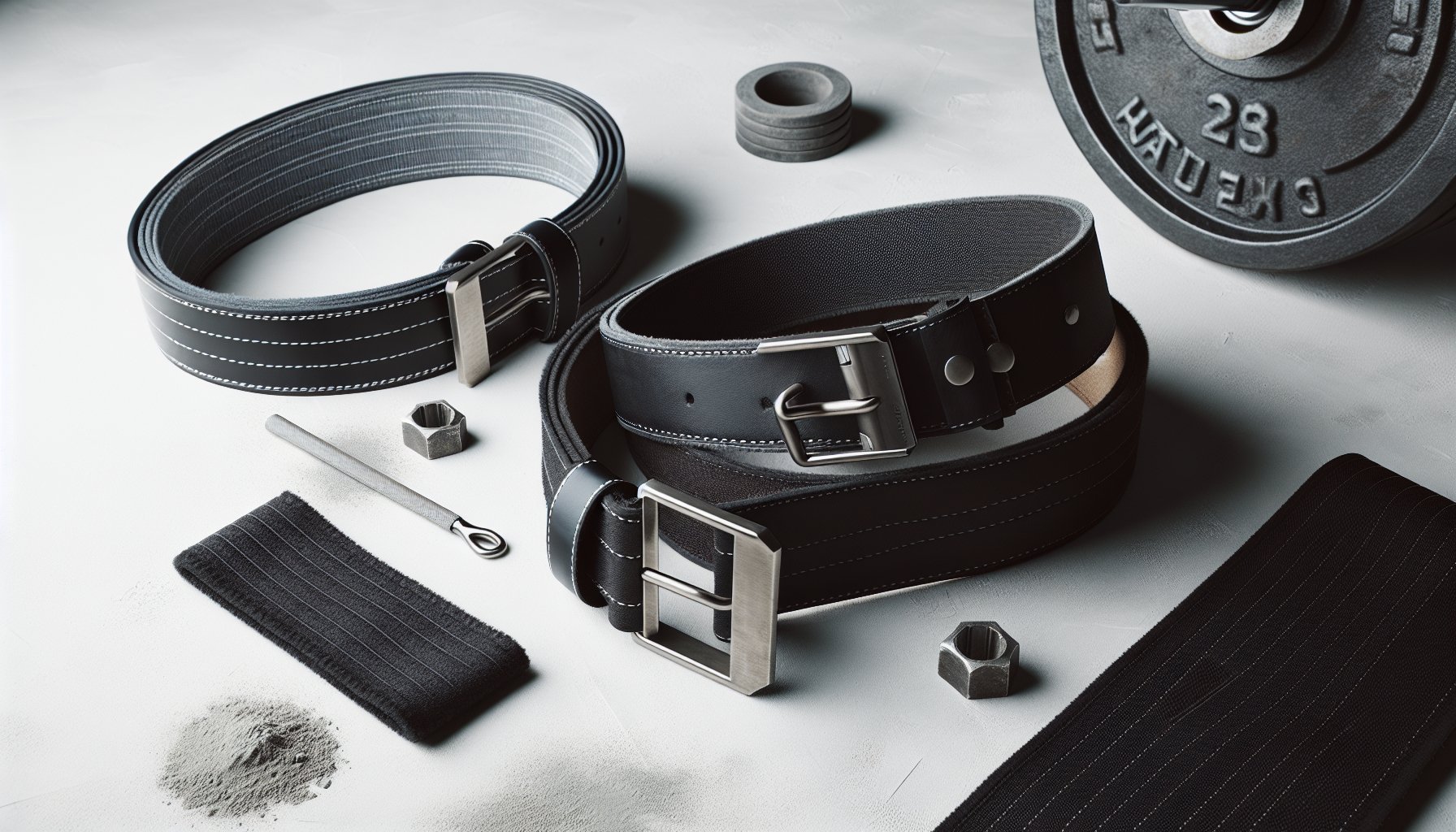
Lifting belts increase intra-abdominal pressure by approximately 40% during heavy squats and deadlifts, according to research published in the Journal of Strength and Conditioning Research. That pressure stabilizes your spine under load, but most lifters start using a belt far earlier than they need to. Understanding when a belt helps and when it becomes a crutch makes the difference between smart training and unnecessary dependence.
Quick Summary:
- Lifting belts increase core stability through intra-abdominal pressure, not direct back support
- Use a belt only on working sets above 85% of your one-rep max for squats, deadlifts, and overhead presses
- Leather belts with prong or lever closures provide the most support for heavy compound lifts
- A 4-inch width and 10-13mm thickness works best for most lifters doing powerlifting movements
- Training without a belt on lighter sets builds stronger natural bracing patterns
What a Lifting Belt Actually Does
A lifting belt doesn't support your spine directly. Instead, it gives your abdominal muscles something to push against when you brace your core. This creates intra-abdominal pressure that stiffens your torso and reduces compression forces on spinal discs.
When you take a deep breath and push your stomach out against a belt, you're creating a pressurized cylinder around your midsection. Research from the University of Waterloo shows this mechanism reduces erector spinae muscle activity while maintaining spinal stability, allowing you to lift heavier weights with less strain on your lower back muscles.
The belt works through physics, not magic. You still need to know how to brace properly before adding a belt to the equation. Without proper breathing and bracing technique, a belt provides minimal benefit and can create a false sense of security.
When to Use a Lifting Belt
Use a belt on your heavy working sets for squats, deadlifts, overhead presses, and other loaded spinal movements. Heavy means 85% or more of your one-rep max, where the risk of form breakdown increases and the added stability provides measurable benefit.
A 2003 study in Medicine & Science in Sports & Exercise found that trained lifters could squat approximately 5-15% more weight when wearing a belt compared to lifting beltless. The performance boost comes entirely from improved bracing mechanics, not artificial support.
Save the belt for your top sets. Use your warm-up sets and lighter working sets to practice bracing without external support. This builds stronger natural stability patterns that transfer to everyday movements and reduce injury risk outside the gym.
You don't need a belt for isolation exercises like bicep curls, lateral raises, or leg extensions. These movements don't load your spine vertically and don't benefit from increased intra-abdominal pressure.
Verdict: Only wear a lifting belt on working sets above 85% of your max for compound lifts. Train beltless on everything else to build natural core strength.
Types of Lifting Belts
Leather Powerlifting Belts
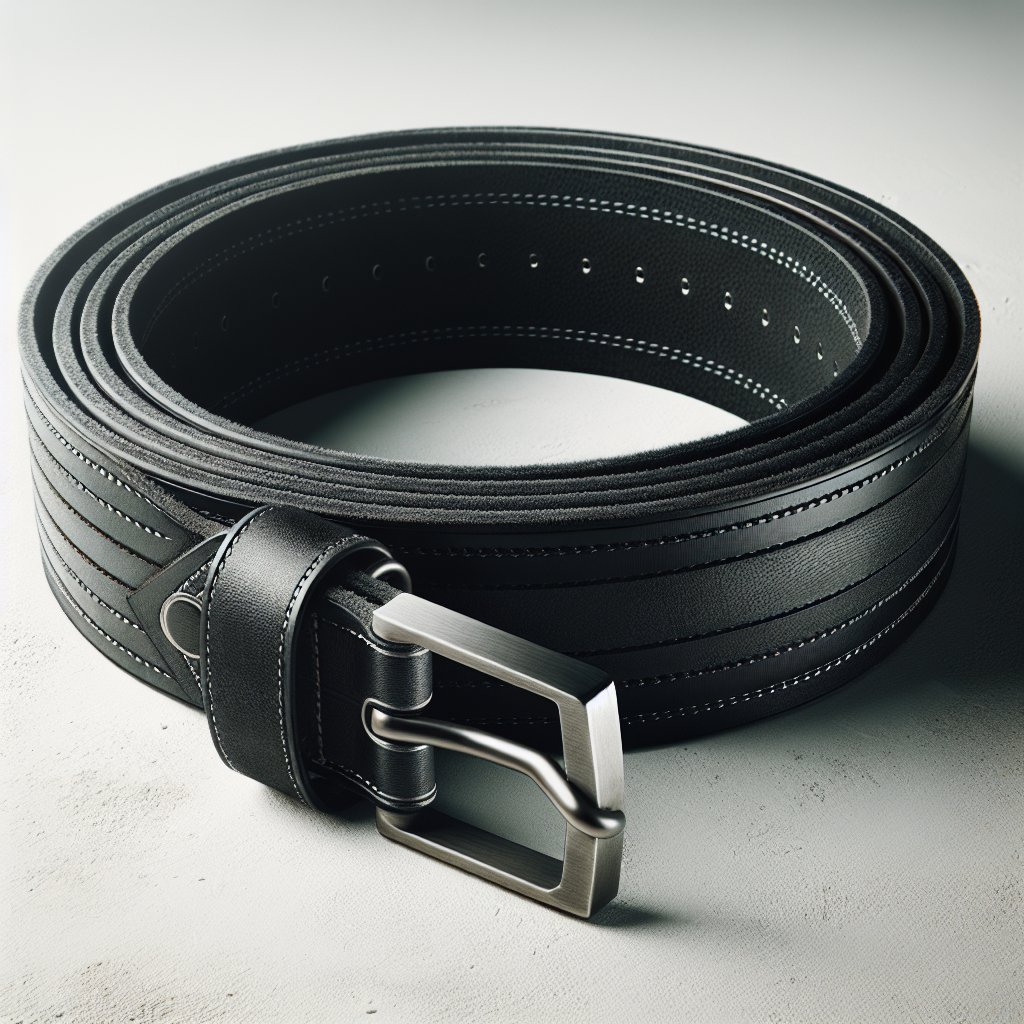
Leather belts with uniform 4-inch width around the entire circumference provide the most support for squats and deadlifts. The consistent width gives your abs maximum surface area to push against from all angles. Quality options like the Rogue Ohio Lifting Belt (around $90) use 10mm thick leather that breaks in over time without losing rigidity.
Thicker 13mm belts offer slightly more support but take longer to break in and feel stiffer around your midsection. Most lifters find 10mm belts provide the best balance of support and comfort.
Lever Belts
Lever closure belts like the Inzer Forever Lever Belt (approximately $110) lock tight with a simple flip mechanism. They're faster to put on and take off between sets compared to prong belts, and they lock into the same tightness every time without adjustment.
The tradeoff is less flexibility. Lever belts lock at one specific notch, so if your waist size fluctuates from morning to evening or during a bulk or cut, you need a screwdriver to adjust the lever position. Some lifters keep two settings ready and swap between them.
Prong Belts
Traditional prong closure belts adjust easily at any notch, making them ideal if your waist measurement changes frequently. Double-prong belts like the Eleiko Powerlifting Belt (around $130) distribute pressure more evenly than single-prong designs and reduce the chance of the prong slipping during a heavy lift.
Single-prong belts are easier to fasten quickly but may not hold as tightly under maximum loads. For recreational lifters, the difference is minimal. Competitive powerlifters tend to prefer double-prong or lever designs.
Nylon Velcro Belts
Velcro belts are lighter, more flexible, and cheaper than leather options. The Harbinger Nylon Belt (approximately $25) works well for CrossFit-style workouts where you're frequently taking the belt on and off between exercises.
Nylon belts don't provide as much rigid support as leather for maximal strength lifts. The material compresses under heavy loads, reducing the intra-abdominal pressure you can generate. Use them for moderate-weight training or dynamic movements, not heavy squats and deadlifts.
How to Wear a Lifting Belt Properly
Position the belt around your natural waist, not your hips. The back of the belt should sit over your erector spinae muscles, roughly at belly button height. Some lifters prefer positioning the belt slightly higher for squats and lower for deadlifts based on their individual mechanics.
Tighten the belt firmly but not so tight you can't take a deep breath. You should be able to expand your stomach against the belt when you brace. If the belt is too loose, it won't create enough intra-abdominal pressure. Too tight, and you can't breathe properly to generate that pressure.
Before each rep, take a deep breath into your stomach, not your chest. Push your abs out against the belt in all directions while holding that breath. This creates the pressurized cylinder that stabilizes your spine. Maintain that pressure throughout the entire rep, then exhale at the top.
Practice the breathing pattern without weight first. Many lifters waste the belt's benefit by breathing into their chest instead of their diaphragm, or by exhaling too early during the lift. Master bracing mechanics on light sets before adding a belt to heavy loads.
When NOT to Use a Lifting Belt
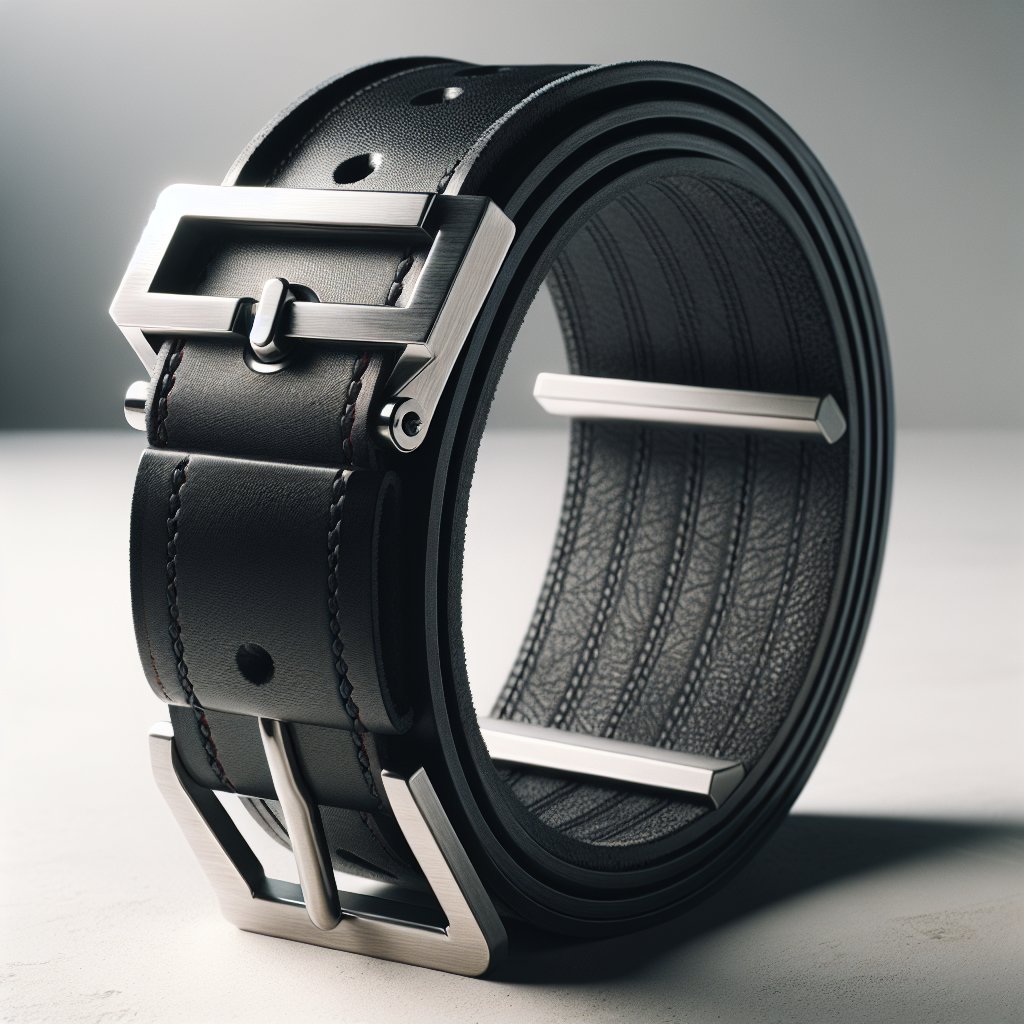
Don't use a belt as a substitute for learning proper bracing technique. New lifters should spend at least six months building foundational strength and developing natural bracing patterns before introducing a belt. Starting with a belt too early prevents you from developing the core strength needed for long-term progression.
Skip the belt on lighter training days below 85% of your max. Research from the National Strength and Conditioning Association shows that relying on a belt for all lifts can reduce natural core activation over time. Training beltless on lighter loads maintains and builds the intrinsic stability you need when you're not wearing equipment.
Avoid wearing a belt for cardiovascular exercise or general gym work. Walking around the gym with a belt on between sets doesn't provide any benefit and restricts normal breathing patterns. Put the belt on immediately before your working set and take it off afterward.
Don't use a belt to compensate for poor technique or excessive loading. If your form breaks down even with a belt, the weight is too heavy. The belt supports proper mechanics under heavy loads, but it can't fix fundamental technique flaws. Check out our squat guide and deadlift guide for technique fundamentals.
Choosing the Right Belt Size and Fit
Measure your waist at belly button height while standing relaxed. Most manufacturers size belts in small, medium, large, and extra-large ranges, with specific inch measurements listed for each size. Order based on your actual waist measurement, not your pant size, which can vary significantly by brand.
Plan for a breaking-in period with leather belts. New leather feels stiff and uncomfortable for the first few weeks of use. The belt will conform to your body shape over time, but it won't stretch significantly in circumference. If you're between sizes, choose the smaller option as long as you can comfortably breathe and brace against it.
Width matters for your body proportions and the lifts you perform. Standard 4-inch belts work well for most lifters doing squats and deadlifts. Shorter torsos may find 4-inch belts uncomfortable as they dig into the ribs or hips. A 3-inch tapered belt provides a compromise for athletes who need mobility along with support.
Thickness determines rigidity and durability. A 10mm belt offers excellent support for recreational and intermediate lifters. A 13mm belt provides maximum rigidity for advanced powerlifters moving extremely heavy loads. The thicker option costs more and takes longer to break in without providing substantial benefit for most training applications.
Best Lifting Belts by Budget
For serious powerlifting under $100, the Pioneer Cut Prong Belt (around $85) delivers the same 10mm leather construction and 4-inch width as premium options at a lower price point. The single-prong closure adjusts easily and holds firm under heavy loads.
Mid-range options around $100-130 include established brands with proven durability. The Rogue Ohio Lifting Belt uses premium leather with reinforced stitching that holds up through years of heavy training. Most serious lifters find belts in this range provide the best combination of quality and value.
Budget-conscious lifters can start with the Harbinger Nylon Belt at approximately $25. While it doesn't match leather belts for maximal lifts, it works well for moderate training loads and allows you to practice belt mechanics before investing in a premium option.
Similar principles apply to other lifting gear. Our wrist wraps guide covers support equipment for pressing movements, and our guide on proper form basics explains fundamental bracing mechanics that make any belt more effective.
Common Lifting Belt Mistakes
Wearing the belt too loose defeats its purpose. The belt needs to be tight enough that you can feel significant resistance when you push your abs out against it. If you can easily slide your hand between the belt and your stomach, tighten it another notch.
Positioning the belt too low on your hips reduces its effectiveness. The belt should sit at approximately belly button height where you have maximum abdominal mass to press against it. Lower positioning might feel more comfortable initially but provides less stability where you need it.
Using a belt on every set prevents your core from developing natural strength. Reserve the belt for your heaviest working sets and train without it on warm-ups, lighter variations, and accessory work. This approach builds the foundational stability that makes the belt more effective when you need it.
Relying on the belt to fix technique problems creates long-term issues. If you can't maintain a neutral spine and proper bracing pattern without a belt, adding equipment won't solve the underlying weakness. Master the movement pattern at lighter weights before attempting heavy loads with or without a belt.
Frequently Asked Questions
Do I need a lifting belt as a beginner?
No. Spend your first six months to a year building foundational strength and learning proper bracing mechanics without a belt. Add a belt only when you're regularly training above 85% of your one-rep max on compound lifts and have mastered breathing and bracing technique.
Will wearing a belt weaken my core?
Only if you wear it on every set. Using a belt exclusively on heavy working sets while training beltless for warm-ups and lighter work maintains and builds natural core strength. The key is strategic use, not constant dependence.
What's better: lever or prong belt?
Lever belts are faster to adjust between sets and lock at consistent tightness. Prong belts offer more flexibility if your waist size fluctuates. For most recreational lifters, either style works well. Competitive powerlifters often prefer lever belts for the speed and consistency advantage.
How tight should I wear my lifting belt?
Tight enough to feel significant resistance when you push your abs out, but not so tight you can't take a deep diaphragmatic breath. You should be able to expand your stomach against the belt when bracing. If you can't breathe properly, loosen it one notch.
Can I wear a belt for deadlifts and squats?
Yes. Heavy squats and deadlifts are the primary exercises where a belt provides measurable benefit through increased intra-abdominal pressure. These movements load your spine vertically under the heaviest weights you'll lift, making them ideal candidates for belt use. See our deadlift guide for specific technique details.
What belt width is best for powerlifting?
A uniform 4-inch width around the entire circumference provides maximum surface area for your abs to push against during squats and deadlifts. Tapered belts (wider in back, narrower in front) work better for Olympic lifting and CrossFit where hip mobility matters more than maximum stability.
How long do leather lifting belts last?
Quality leather belts last decades with proper care. The leather breaks in and conforms to your body over time but maintains its structural integrity. Nylon belts wear out faster as the velcro weakens and the material compresses, typically needing replacement after 2-3 years of regular use.
Should I wear a belt for overhead press?
Only on heavy working sets above 85% of your max. Overhead pressing loads your spine vertically similar to squats, making it appropriate for belt use at heavy weights. Skip the belt for moderate and light pressing to build natural core stability.
Do powerlifters always lift with belts in competition?
Most powerlifters wear belts for their competition attempts, but rules don't require them. Some lifters choose to compete beltless in raw divisions to demonstrate maximum strength without supportive equipment. In training, nearly all competitive lifters use belts selectively on heavy working sets.
Can I use a weightlifting belt for all exercises?
You can, but you shouldn't. Reserve belt use for heavy compound lifts that load your spine vertically: squats, deadlifts, overhead presses, and similar movements. Wearing a belt for isolation exercises provides no benefit and restricts normal breathing and movement patterns.
How do I break in a new leather lifting belt?
Wear it around the house while doing light activities, roll it repeatedly to soften the leather, and use it for progressively heavier sets over several weeks. Some lifters apply leather conditioner to speed the process. Expect 2-4 weeks before a new 10mm belt feels comfortable and 4-6 weeks for a 13mm belt.
The Bottom Line
A lifting belt increases intra-abdominal pressure to stabilize your spine under heavy loads, but only when you use it strategically on working sets above 85% of your max. Choose a 4-inch wide, 10mm thick leather belt with a prong or lever closure for the best combination of support and versatility. Train beltless on lighter sets to build the natural core strength that makes the belt more effective when you need it.
Sources:
- Lander JE, et al. (1992). The effectiveness of weight-belts during multiple repetitions of the squat exercise. Medicine & Science in Sports & Exercise. 24(5):603-609. https://pubmed.ncbi.nlm.nih.gov/1533266/
- Miyamoto K, et al. (1999). Effects of abdominal belts on intra-abdominal pressure, intra-muscular pressure in the erector spinae muscles and myoelectrical activities of trunk muscles. Clinical Biomechanics. 14(2):79-87. https://pubmed.ncbi.nlm.nih.gov/10619094/
- Harman EA, et al. (1989). Effects of a belt on intra-abdominal pressure during weight lifting. Medicine & Science in Sports & Exercise. 21(2):186-190. https://pubmed.ncbi.nlm.nih.gov/2709981/
- Zink AJ, et al. (2001). The effects of a weight belt on trunk and leg muscle activity and joint kinematics during the squat exercise. Journal of Strength and Conditioning Research. 15(2):235-240. https://pubmed.ncbi.nlm.nih.gov/11710410/